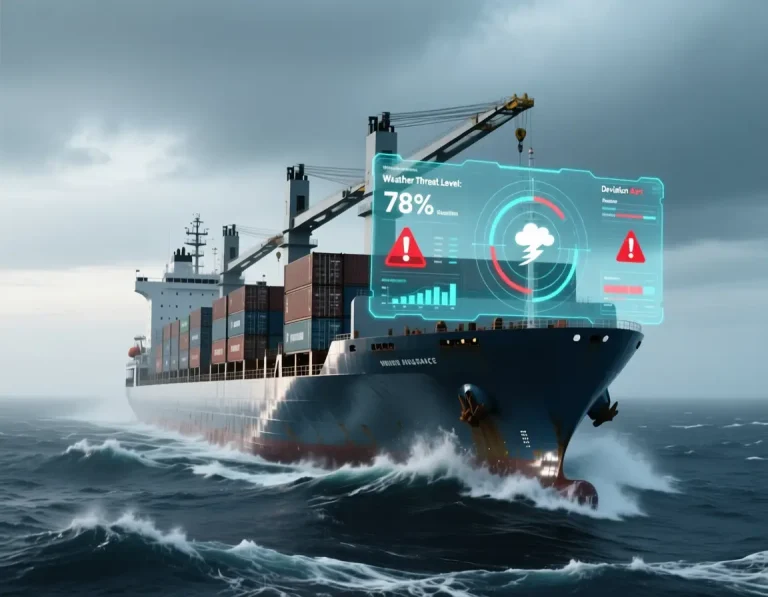
When a ship runs aground, sinks, or becomes stranded, one of the most challenging and expensive tasks that follows is dealing with wreck removal and salvage costs. These operations involve complex logistics, strict legal obligations, and significant financial implications for shipowners, insurers, and even governments. Understanding how these costs arise—and how they can be managed—is essential in the maritime industry.
1. Salvage vs. Wreck Removal
Before delving into cost factors and liabilities, it’s crucial to distinguish between salvage and wreck removal. Though often used interchangeably, they refer to different legal and operational activities, each with unique cost and responsibility structures.
What is Salvage?
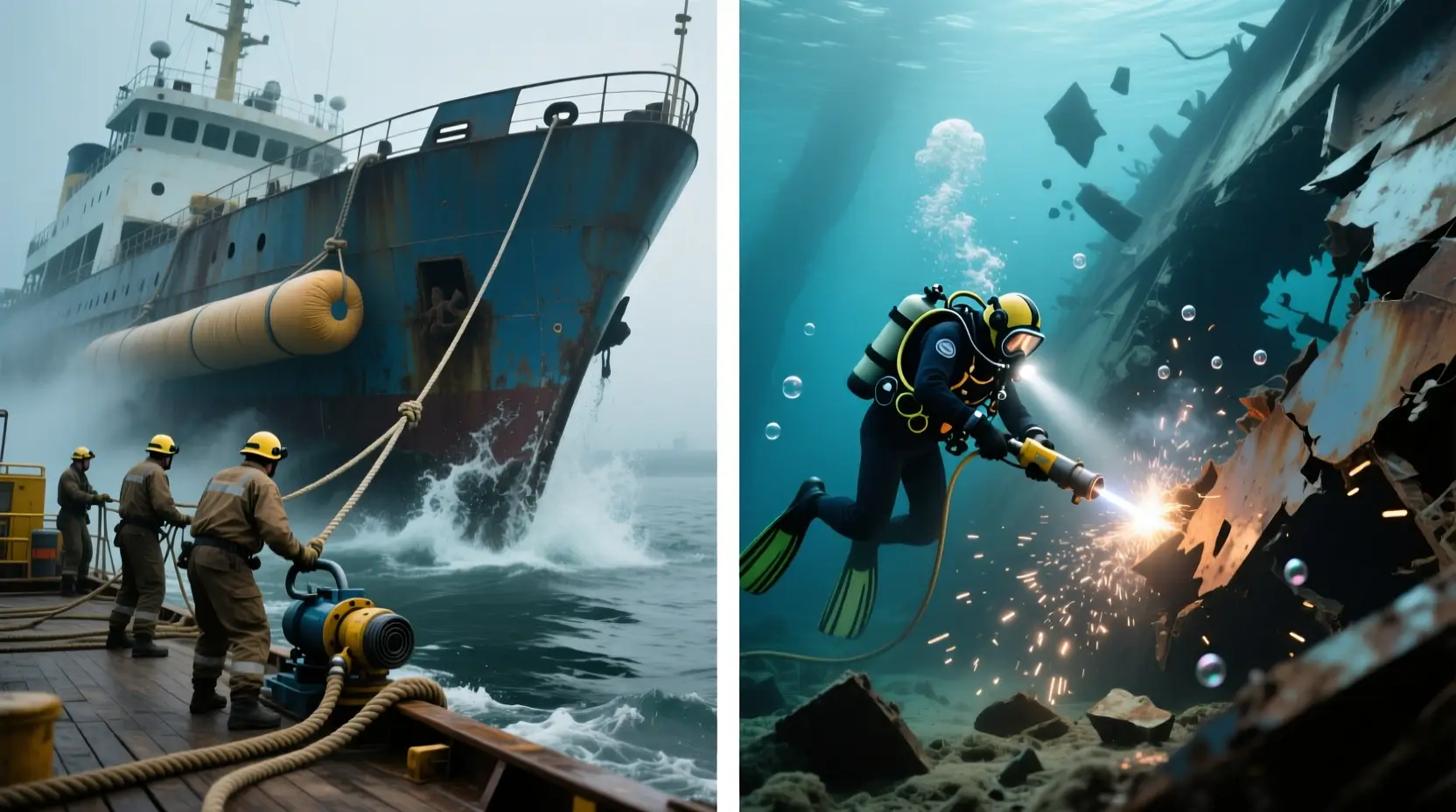
Salvage refers to operations aimed at saving a ship, its cargo, or both from danger at sea. These dangers may include grounding, fire, collision, or sinking. The primary goal of salvage is to preserve value—to recover property before it becomes a total loss.
Professional salvage companies specialize in rapid response and are compensated through a “salvage award”, which depends on:
-
The value of the property saved.
-
The degree of danger faced.
-
The skill and effort of the salvors.
-
Environmental protection efforts.
In practical terms, salvage is a reward-based process. The salvor only receives payment if the operation is successful (“No cure, no pay”). However, under the 1989 Salvage Convention, an additional environmental award may be granted even if the vessel or cargo cannot be saved.
What is Wreck Removal?
Wreck removal, by contrast, comes after the loss. When a vessel is sunk, stranded, or otherwise beyond recovery, it becomes a wreck—and may pose a risk to navigation, the environment, or coastal infrastructure.
In such cases, authorities may order its removal, regardless of its remaining value. Wreck removal involves cutting, lifting, or dismantling the wreck and safely disposing of debris or pollutants. Unlike salvage, this is not about preserving value but eliminating hazards.
Key Differences and Overlaps (Legal, Operational, Insurance)
Although both activities involve marine recovery, key distinctions lie in:
| Aspect | Salvage | Wreck Removal |
|---|---|---|
| Objective | Save vessel/property | Remove hazard |
| Timing | Before total loss | After total loss |
| Legal Basis | Salvage Convention 1989 | Nairobi Convention 2007 / National laws |
| Payment Basis | Reward for success | Cost reimbursement |
| Insurance Coverage | Hull & Machinery, sometimes P&I | Typically P&I (wreck removal cover) |
Understanding this distinction is essential because it shapes who pays, how much, and under what legal regime. A misunderstanding between salvage and wreck removal can lead to serious disputes between shipowners and insurers.
2. What Drives the Costs of Salvage and Wreck Removal
The cost of wreck removal and salvage can vary from thousands to hundreds of millions of dollars, depending on multiple technical, legal, and environmental factors. Knowing what drives these costs helps shipowners and insurers forecast liabilities and negotiate fair contracts.

Vessel Size, Type and Cargo/Contents
Larger ships or those carrying complex cargo (such as chemicals, fuel, or heavy containers) require more specialized operations. For example, removing a 400-meter container vessel demands floating cranes, modular cutting systems, and high-capacity barges—all of which increase costs exponentially.
Moreover, cargo type affects both safety and disposal costs. Hazardous materials or perishable goods often require controlled recovery and environmental precautions.
Location, Depth, Accessibility and Seabed Conditions
The site of the wreck plays a decisive role. Shallow, accessible waters near ports are less expensive to manage than deep or remote areas. Adverse seabed conditions—rocky ground, strong currents, or poor visibility—can slow operations and require advanced technology such as ROVs (remotely operated vehicles).
For instance, a wreck 50 meters deep in calm water may cost a fraction of a similar operation in storm-prone, remote regions. Accessibility directly translates into fuel, manpower, and equipment time—all major cost components.
Environmental Hazards (Fuel, Hazardous Cargo, Sensitive Habitat)
When a wreck poses environmental risks, authorities often require fuel removal, pollution containment, and habitat protection, all of which multiply total expenses.
Examples of environmental cost drivers include:
-
Heavy fuel oil leaks requiring containment booms.
-
Coral reef or protected habitat near the site.
-
Toxic cargo such as pesticides or industrial chemicals.
These measures are not optional—they are legally mandated under MARPOL and national environmental laws. The more sensitive the area, the higher the cleanup and monitoring costs.
3. Who Bears the Costs and How Are They Allocated
Understanding who pays for wreck removal and salvage costs is just as important as knowing how they are calculated. Responsibility depends on ownership, insurance coverage, and international law.
Legal Liability – Role of Shipowner, Charterer, Insurer
Under most legal regimes, the shipowner bears the primary responsibility for wreck removal and any resulting pollution. The charterer may be partially liable if the incident arose from operational negligence.
Shipowners typically delegate cost management to their Protection and Indemnity (P&I) Club, which handles third-party liabilities, including wreck removal. However, legal obligations can vary by jurisdiction—for instance, some coastal states can enforce removal orders even if ownership is disputed.
Insurance Coverage – Hull, P&I, Separate Wreck-Removal Cover
Most wreck removal costs are covered by P&I insurance, not by hull and machinery policies. Hull insurance usually covers damage to the vessel itself but not post-loss removal.
Typical coverage breakdown:
-
Hull & Machinery Insurance → Covers repairs or loss of the vessel before total loss.
-
P&I Insurance → Covers wreck removal, pollution liability, and third-party damage.
-
Optional Wreck Removal Extensions → May increase limits or include special risk zones.
Shipowners should regularly review their P&I coverage limits, as wreck removal costs can easily exceed $100 million in complex cases.
International Conventions and National Laws
The Nairobi International Convention on the Removal of Wrecks (2007) establishes uniform rules, obligating shipowners to remove hazardous wrecks in exclusive economic zones (EEZs). It also requires proof of insurance for wreck removal liability.
However, not all states have ratified the Convention. In such jurisdictions, local maritime law or port authority regulations dictate responsibility. Therefore, shipowners must understand both international and local frameworks before operating in foreign waters.
4. Typical Cost Ranges and What to Expect
Once the difference between salvage and wreck removal is understood, the next crucial question for shipowners and insurers is: how much can these operations actually cost? The answer depends on vessel size, site conditions, environmental exposure, and legal demands — all of which can cause enormous variation.
Small-Scale Vessels, Shallow Waters – Typical Costs
For fishing boats, tugboats, or small coastal vessels in accessible waters, wreck removal and salvage costs are relatively moderate. Operations may involve divers, small cranes, and local recovery teams, with total expenses typically ranging from $50,000 to $500,000.
These cases usually do not require heavy equipment or complex environmental measures. Local authorities often demand only partial removal or fuel extraction, minimizing cost exposure. However, even in small-scale incidents, poor weather or restricted port access can double expenses.
Larger Vessels, Remote/Deep Site – Rising into Tens or Hundreds of Millions
When larger ships—container carriers, bulkers, or cruise vessels—are involved, costs rise dramatically. Deepwater operations, long-distance mobilization, and specialized machinery can easily bring the total into the tens or even hundreds of millions of dollars.
A few examples illustrate the scale:
-
A medium-sized cargo ship (20,000–40,000 DWT) grounded near shore: $10–20 million.
-
A fully laden container vessel in a busy sea lane: $30–80 million.
-
Large cruise ship or tanker in environmentally sensitive waters: $100 million or more.
These figures include removal, environmental cleanup, and legal compliance. The presence of fuel, chemicals, or complex wreck fragmentation often adds another 20–40% to total costs.
What Drives “Mega-Cost” Removals (>$100 Million)
Mega-cost cases arise when multiple risk factors overlap:
-
Extreme depth or difficult access.
-
Pollution control and debris management.
-
Complex vessel structure requiring sectional dismantling.
-
Political or public pressure leading to expedited operations.
-
Concurrent legal proceedings that delay execution and increase standby costs.
Such operations demand coordination among salvage teams, insurers, environmental agencies, and coastal governments—each introducing procedural complexity and time-based expense.
Factors That Can Reduce Cost or Mitigate Risk
Shipowners can reduce overall financial exposure through strategic planning:
-
Keeping emergency response plans ready.
-
Using pre-approved salvage contracts (e.g., LOF 2020).
-
Conducting regular vessel maintenance to avoid structural failure during recovery.
-
Establishing clear communication with P&I clubs and coastal authorities early in an incident.
When these steps are implemented, even large-scale removals can be handled efficiently and without spiraling costs.
5. How to Control and Mitigate Costs
Managing wreck removal and salvage costs requires proactive planning, risk assessment, and smart contracting. While complete prevention is impossible, several practical measures can dramatically limit both duration and total expenditure.
Early Assessment and Salvage Planning
The first 24–48 hours after an incident are critical. Rapid technical assessment—stability, cargo condition, and pollution risk—allows owners to decide whether salvage is feasible or full wreck removal is necessary.
Prompt engagement of experts can prevent escalation. For instance, early refloating of a grounded ship is far cheaper than cutting it into sections later. This stage also sets the foundation for accurate insurance reporting and coordination with authorities.
Preventive Maintenance and Risk Reduction (for Operators)
Regular structural inspections, hull monitoring, and cargo management can minimize wreck risks. Failure to maintain systems like bilge pumps or ballast tanks increases both accident probability and subsequent removal difficulty.
Proactive measures include:
-
Routine surveys under class rules.
-
Updating stability and load data.
-
Implementing real-time tracking and navigation safety protocols.
In the long term, these actions reduce not only accident frequency but also insurance premiums and deductibles.
Insurance Adequacy – Verifying Cover for Wreck Removal
Many shipowners underestimate the cost exposure of wreck removal, assuming their standard insurance is sufficient. In reality, wreck-related liabilities may exceed hull value several times.
To ensure adequate protection:
-
Review P&I policy limits annually.
-
Add optional wreck removal extensions, especially for high-risk routes.
-
Verify compliance with local or convention-based insurance requirements.
An insurer’s failure to cover wreck removal can lead to severe financial losses, especially when coastal states enforce removal orders directly against the shipowner.
Contracting Best Practices – Salvage/Wreck Removal Agreements
Using the right contract model is another way to control costs. The Lloyd’s Open Form (LOF) and Wreckhire/Wreckfixed agreements provide standard frameworks for defining payment terms, equipment use, and liability allocation.
Selecting the proper contract type helps avoid disputes. For instance:
-
LOF (No Cure, No Pay) suits urgent salvage where success is uncertain.
-
Wreckhire/Wreckfixed suits confirmed wreck removals with defined scope.
Clear contracting eliminates misunderstandings and ensures transparency in billing and progress milestones.
Technology, Modular Removal, Reuse/Disposal Efficiency
Modern technology—such as 3D modeling, underwater robotics, and modular cutting—has revolutionized wreck removal. These innovations:
-
Improve accuracy and safety for divers.
-
Shorten operation time.
-
Reduce fuel and vessel chartering costs.
-
Allow reuse or recycling of metal components, offsetting part of the cost.
While high-tech methods require upfront investment, they often yield long-term savings by increasing efficiency and reducing risk exposure.
Stakeholder Coordination (Authorities, Environment, Insurers)
Cost control also depends on clear communication among all involved parties. Misalignment between salvage teams, environmental authorities, and insurers often leads to delays and repeated approvals.
Establishing a coordination plan that defines communication hierarchy and reporting frequency ensures operations remain efficient, compliant, and financially contained.
6. Environmental, Economic and Stakeholder Impacts
The cost of wreck removal is not limited to direct financial outlays—it also encompasses environmental, economic, and reputational effects. Each stakeholder, from shipowners to local communities, faces consequences beyond the immediate incident.

Environmental Risk and Remediation Costs
Wrecks often leak fuel, lubricants, or cargo materials that threaten marine life. Environmental remediation can sometimes surpass the cost of physical removal, especially when sensitive ecosystems are involved.
For example, removing oil from a sunken tanker in a coral region requires divers, filtration systems, and continuous water sampling for months. Governments may impose additional monitoring obligations, adding millions in extended costs.
Impact on Insurers and Marine Risk Poolings
P&I Clubs and marine insurers collectively absorb large portions of wreck removal expenses. High-profile losses can impact premium rates, reinsurance treaties, and future underwriting conditions.
A rise in complex wreck removals has already led many insurers to tighten risk assessments, requiring better compliance documentation from shipowners. This trend directly influences operational costs and insurance accessibility across the sector.
Economic Impact on Shipowners, Charterers, Ports and Communities
Beyond insurance payouts, wreck incidents disrupt trade, port access, and local economies. If a major shipping lane is blocked, even temporarily, the financial impact on ports and trade networks can reach billions.
Communities depending on fishing or tourism may also suffer losses. Governments sometimes recover these losses by imposing fines or cost-sharing arrangements, further raising total liability.
Opportunity Costs, Reputational and Regulatory Exposure
Every day a wreck remains unresolved brings reputational damage. Major shipping companies risk brand erosion, regulatory scrutiny, and loss of business partners. The time and resources diverted to managing the incident also represent opportunity costs—capital that could have been used for expansion or fleet upgrades.
Managing these soft costs is as important as managing financial ones, and it requires transparency, environmental responsibility, and efficient coordination from day one.
7. Emerging Trends and Future Outlook
As global shipping continues to expand, wreck removal and salvage costs are expected to rise—both in frequency and financial magnitude. Larger vessels, stricter environmental regulations, and evolving insurance standards are redefining how the maritime industry prepares for and manages wreck incidents.
Increasing Vessel Sizes and Complexity Driving Higher Costs
Modern container ships and cruise liners are vastly larger than vessels built just two decades ago. Their sheer scale complicates removal logistics—requiring powerful cranes, modular dismantling, and multi-phase operations. The Ever Given incident in the Suez Canal, for instance, demonstrated how even temporary blockages can cause worldwide economic disruption.
As ship dimensions increase, the volume of wreckage, cargo complexity, and pollution potential grow accordingly. Insurers and operators must therefore anticipate significantly higher exposure per incident.
Evolving Regulation and Greater Enforcement of Removal Orders
Authorities are becoming less tolerant of abandoned wrecks. More coastal states are adopting the Nairobi Wreck Removal Convention (2007) or developing national equivalents that enforce swift removal and mandatory financial security from shipowners.
Environmental agencies, too, are imposing tighter standards—requiring pre-removal environmental impact assessments and post-removal monitoring. The result is a more regulated, documentation-heavy process, which often lengthens timelines but enhances accountability.
Advances in Technology and New Business Models in Wreck Removal
Emerging technologies—like autonomous underwater vehicles (AUVs), sonar mapping, and high-precision 3D cutting—are transforming the efficiency and safety of wreck removal. At the same time, joint venture models between salvage companies and insurers are spreading, allowing cost-sharing and faster response times.
These innovations promise long-term cost reduction and improved risk control, but they require upfront investment and skilled operators.
Insurance Market Responses and Cost-Sharing Innovations
P&I Clubs and reinsurers are adapting to rising costs by developing tiered liability pools, specialized wreck removal extensions, and parametric cover options. These models allow for better distribution of catastrophic losses among multiple stakeholders.
However, stricter underwriting criteria mean that operators must maintain detailed compliance records, safety audits, and pollution prevention systems to qualify for favorable terms.
What Stakeholders Should Watch for in Coming Years
Over the next decade, stakeholders should monitor:
-
Global adoption of the Nairobi Convention.
-
Development of digital risk assessment platforms.
-
Increasing use of hybrid salvage vessels and autonomous systems.
-
The influence of ESG (Environmental, Social, Governance) standards on insurance pricing.
-
Closer collaboration between coastal states and insurers to pre-approve wreck response plans.
These trends point toward a future where prevention, preparedness, and transparency are just as critical as response capability.
Wreck removal and salvage costs represent one of the most financially and operationally demanding aspects of maritime risk management. Understanding their mechanics allows shipowners, insurers, and regulators to act quickly and effectively when incidents occur.
In today’s maritime environment, preparedness is more than compliance—it’s financial survival. Shipowners who invest in proper insurance, transparent communication, and advanced planning can navigate even the most complex wreck removal scenarios with confidence and control.
Reference:
This article is informed by data and guidelines from the International Maritime Organization (IMO), the leading global authority on maritime safety and environmental standards.