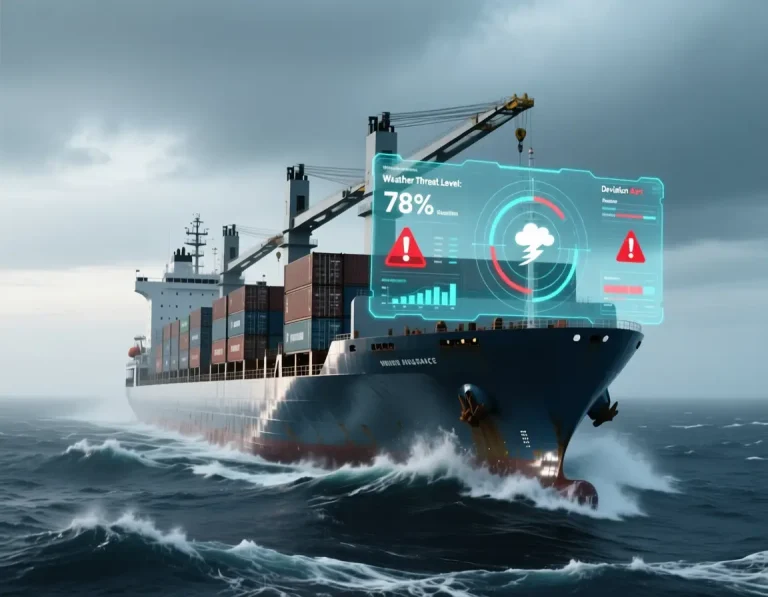
The renewal process for P&I policies is a vital annual activity for shipowners, operators, and brokers. It ensures continuous insurance protection against third-party liabilities such as crew injuries, pollution, and cargo loss. Understanding the timeline, requirements, and negotiation process helps you maintain the right coverage at fair cost — and avoid gaps that could expose your fleet to financial risk.
1. Understanding P&I Insurance and Why Renewal Matters
Renewal is not a simple administrative task — it is a comprehensive review of performance, risk, and exposure. The following sub-sections explain what P&I insurance covers, how P&I clubs operate, and why the renewal period is strategically significant.
What Is P&I Insurance?
Protection & Indemnity (P&I) insurance is a mutual form of marine liability coverage. It protects shipowners and charterers against third-party risks that traditional hull and machinery (H&M) policies do not cover.
Typical cover includes:
-
Crew injury or illness compensation
-
Passenger claims
-
Oil pollution or environmental damage
-
Damage to cargo or other vessels
-
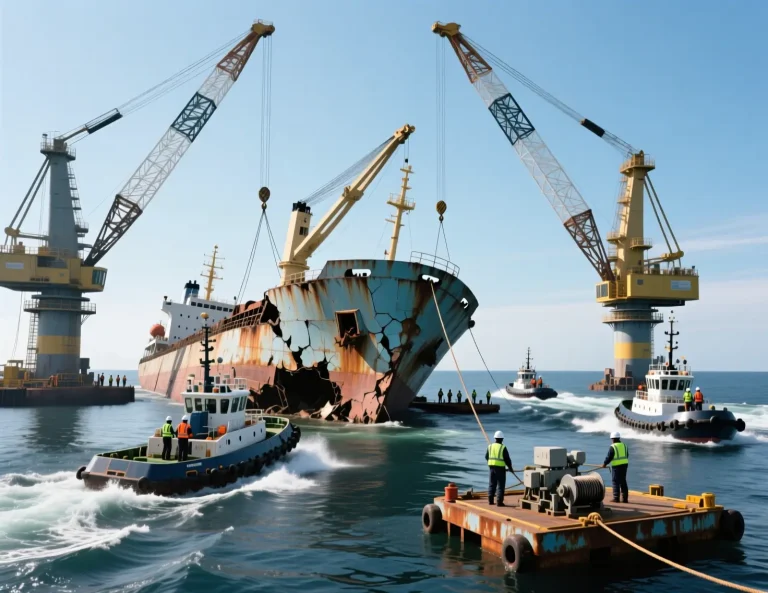
Wreck removal and collision liabilities
The renewal process for P&I policies ensures these protections remain current, adjusting to the owner’s operational and claims performance each year.
Who Are the Major P&I Clubs and How They Operate
The global P&I market is dominated by mutual associations known as “P&I Clubs.” Examples include The London Club, The NorthStandard Club, The Britannia Club, and The American Club.
These clubs operate on a mutual model, where:
-
Members (shipowners) pool their risks collectively.
-
Surpluses are returned to members, not external shareholders.
-
Premiums — called “calls” — are set based on loss records and reinsurance costs.
During renewal, the club analyses each member’s record and determines whether a general increase or specific adjustment is necessary.
Why the Renewal Period Is Critical for Shipowners and Charterers
The renewal period defines the financial and legal framework of protection for the coming year. Shipowners who prepare early can:
-
Negotiate better premium terms
-
Avoid coverage gaps
-
Align insurance with operational strategy and cash-flow planning
Because the P&I market is cyclical and sensitive to global claim trends, timing and data accuracy during renewal are key competitive advantages.
Key Metrics and Industry Trends Influencing Renewals
Market conditions strongly affect the renewal process for P&I policies. Underwriters look closely at:
-
Pool claims and severity levels across the International Group of P&I Clubs
-
Combined ratio (claims + expenses vs premium income)
-
Reinsurance cost fluctuations
-
Emerging risks such as sanctions, cyber exposure, and environmental liability
Monitoring these trends helps shipowners anticipate likely premium changes before negotiation begins.
2. Renewal Calendar and Key Dates
The renewal calendar defines the rhythm of the P&I cycle. Understanding this schedule allows shipowners to submit information, negotiate terms, and finalize cover without delay.
Standard Renewal Date and Why It Matters
Most International Group clubs renew their policy year on 20 February. This uniform date enables coordinated accounting, pooling, and reinsurance arrangements. Missing this deadline can cause:
-
Automatic termination or non-binding of cover
-
Late penalties or temporary withdrawal of certificates
-
Loss of preferred reinsurance terms
Timely action around this date is the foundation of every successful renewal.
Pre-Renewal Deadlines: Documentation and Broker Queries
Preparation typically starts four to six months before the renewal date. Shipowners must provide:
-
Updated vessel and fleet data
-
Trading area and cargo types
-
Crew and safety compliance documentation
-
Claims record for the previous year
Brokers use these documents to clarify underwriter queries and highlight positive performance indicators that support premium negotiation.
Milestones: Underwriting Review, General Increase, Binding
Renewal milestones normally include:
-
Underwriting Review: The club analyses loss record, tonnage, and exposure.
-
General Increase Announcement: Usually in November–December, clubs declare intended premium adjustments.
-
Negotiation and Binding: Premium and terms are finalized by late January.
By understanding each milestone, shipowners can align internal decision-making with the industry’s renewal timetable.
Post-Renewal Steps and Cover Activation
After terms are agreed and signed, the club issues the Certificate of Entry, confirming that the ship is covered for the new policy year. Owners should then:
-
Verify accuracy of all vessel details
-
Ensure premiums and calls are paid on schedule
-
Communicate any operational changes immediately
These steps ensure smooth transition and regulatory compliance at ports and with charterers.
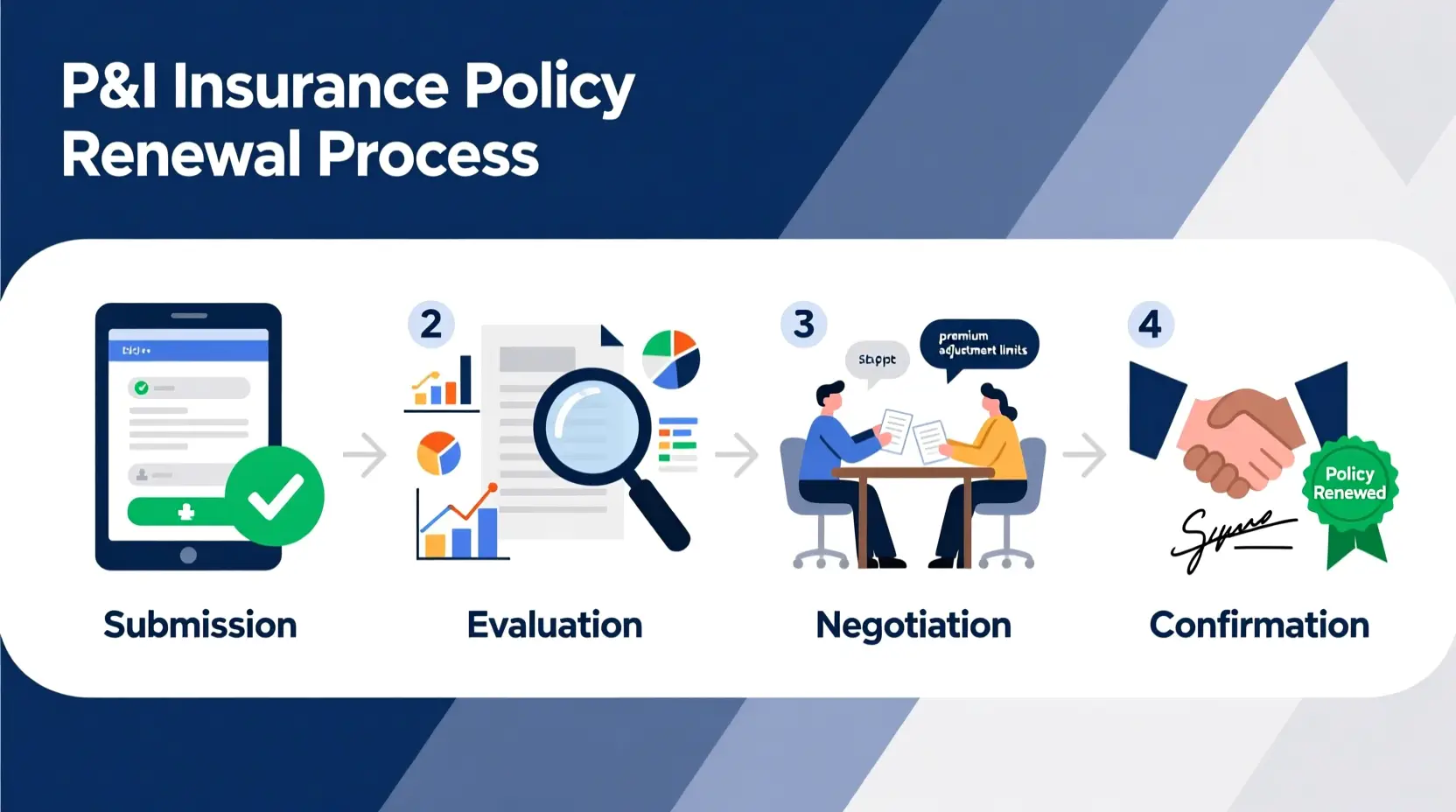
3. Preparation: What Owners, Brokers, and Clubs Review Before Renewal
Proper preparation streamlines the renewal process for P&I policies and positions owners for better rates. Each stakeholder — owner, broker, and club — focuses on detailed risk information.
Claims History and Loss Record
Underwriters place heavy weight on claims data, examining:
-
Claim frequency (number of incidents)
-
Claim severity (cost and type of losses)
-
Patterns in operational cause (e.g., cargo damage, crew injury)
A clean or improving record strengthens negotiating leverage. Conversely, recurrent claims can trigger surcharges or conditional cover.
Vessel and Fleet Data
Clubs evaluate each vessel’s characteristics to price risk correctly:
-
Type and tonnage (tanker, bulk, container)
-
Trading routes and port frequency
-
Age and technical specifications
-
Classification society and flag
Accurate fleet data prevents misrating and facilitates quicker underwriting decisions.
Risk Profile Changes
Changes during the year — such as new trades or ownership structure — must be disclosed before renewal. Examples include:
-
Entering war-risk or sanction-sensitive zones
-
Modifying manning or crewing standards
-
Installing new technology affecting navigation or emissions
Early disclosure fosters trust and can even reduce premium uncertainty.
Reinsurance Costs and Mutual Retentions
Each P&I club participates in group reinsurance, which covers catastrophic losses. Rising reinsurance costs or increased retentions directly influence the general increase declared at renewal. Understanding this chain helps members interpret premium adjustments logically rather than emotionally.
Duty of Fair Presentation
Under the Marine Insurance Act 2015 (and similar frameworks), owners must give a fair presentation of risk, meaning full disclosure of all relevant facts. Inaccurate or incomplete submissions can invalidate cover or limit claim recovery later.
Useful Tip: Maintain a digital checklist of required renewal documents — including safety certificates, loss summaries, and trading updates — to avoid last-minute errors.
4. Underwriting and Negotiation Process
This stage defines the financial result of the renewal process for P&I policies. Transparent communication and strong data presentation are key to successful negotiation.
How Clubs Set General Increases
Each autumn, P&I clubs announce a general increase — an indicative percentage adjustment reflecting claims trends and reinsurance costs. For example, in 2025, several clubs declared 5–7% increases due to higher pool losses.
Actual adjustments per member may vary depending on claims performance.
Role of Reinsurance Programs
The International Group’s collective reinsurance contract is one of the largest in the world. Changes in reinsurance pricing cascade down to members. When reinsurance rates rise, clubs may pass part of that cost through the renewal to maintain solvency.
Risk Segmentation by Vessel Type
Underwriters differentiate between vessel categories:
| Vessel Type | Typical Risk Profile | Recent Renewal Trend |
|---|---|---|
| Tankers | Pollution, collision | +7% average increase |
| Dry Cargo | Cargo damage, crew injury | +4% average increase |
| Containers | Equipment and delay claims | +6% average increase |
This segmentation ensures fair premium distribution and incentivizes better risk management.
Broker Strategy and Common Pitfalls
Brokers act as negotiators and data interpreters. Best practices include:
-
Presenting a well-structured fleet dossier
-
Benchmarking against peer groups
-
Avoiding late submissions or incomplete data
Common pitfalls are failing to disclose changes, neglecting small claims analysis, or relying on outdated fleet information.
5. Premiums, Calls, and Additional Charges
Understanding the cost structure is central to managing the renewal process for P&I policies effectively.
General Premium vs Supplementary Calls
A general premium (advance call) covers estimated claims. If the club’s actual losses exceed projections, supplementary calls may be issued later.
This system maintains the mutual principle — members share both surpluses and deficits.
Release Calls and Exit Obligations
When a member leaves the club, a release call may apply. This charge protects the club against unresolved claims from previous years.
Shipowners should factor this into budget planning when considering a club change.
War, Piracy, and Sanctions Exposure
Extra premiums apply for high-risk zones like the Gulf of Aden or Black Sea. Clubs may also impose special terms for sanctions compliance. Monitoring trade patterns helps avoid unexpected cost escalation.
Currency and Exchange Rate Effects
Because many premiums are denominated in USD or GBP, exchange rate fluctuations can impact total cost. Some owners hedge currency exposure during renewal discussions.
Budget Planning
Successful operators forecast their P&I costs annually, including expected general increases and possible supplementary calls, ensuring stable cash-flow and compliance.
6. Documentation, Binding, and Certificate of Entry
Accurate documentation transforms an agreement in principle into binding insurance coverage.
Required Documents
Before binding, shipowners submit:
-
Renewal application form
-
Updated vessel particulars
-
Claims record confirmation
-
Any requested questionnaires (ISM, sanctions, etc.)
Incomplete submissions delay the binding process.
Binding Cover Explained
When all terms are agreed and premiums paid (or credit terms confirmed), the club issues binding cover. This formalizes membership for the new policy year.
Certificate of Entry
The Certificate of Entry (CoE) is the official proof of P&I insurance. It includes:
-
Vessel name, IMO number, and tonnage
-
Period of cover and insured risks
-
Member’s name and P&I club details
Port authorities and charterers often require the CoE before allowing operation.
Digital Renewal Portals
Many clubs, such as the Shipowners’ Club and Britannia, now use online portals for document upload, claim tracking, and renewal confirmation. This digitalization speeds up administration and reduces human error.
7. Post-Renewal: Actions After Renewal Day
Renewal day (20 February) marks the start of a new coverage period but not the end of obligations.
Confirm Updated Terms
Owners should cross-check the final policy wording, endorsements, and trading limits to avoid surprises during claims.
Ensure Compliance
Changes to pollution, crew, or safety regulations often take effect from the new policy year. Keeping internal documentation aligned prevents future claim disputes.
Monitor Performance Through the Policy Year
Track claim frequency, near-misses, and operational changes monthly. Early detection of loss trends helps improve the next renewal outcome.
Handling Non-Renewal or Denial
If a club refuses renewal due to poor performance, alternative options include other International Group clubs or commercial fixed-premium insurers. Early preparation ensures continuity of protection.
8. Best-Practice Tips for Shipowners and Brokers
Strong preparation transforms negotiation from reactive to strategic.
Recommended practices include:
-
Begin renewal planning at least four months in advance
-
Keep claims and safety records updated throughout the year
-
Benchmark your premiums against similar fleets
-
Maintain full transparency in communication
-
Invest in loss-prevention and crew training programs
These habits strengthen relationships with clubs and reduce total insurance cost over time.

9. 2024–25 Renewal Cycle Insights
The 2024–25 cycle showed how global conditions shape the renewal process for P&I policies.
Key findings:
-
High pool claims from collisions and pollution incidents increased pressure on all clubs.
-
Average general increases ranged between 5–7%.
-
Clubs rewarded members with clean records through stable or even reduced rates.
Lesson: continuous risk management and early communication are more effective than last-minute negotiation.
10. Common Challenges and How to Overcome Them
Despite planning, renewals often face obstacles such as:
-
Late or incomplete data submissions leading to poor underwriting terms
-
Operational changes (new trades or ownership shifts) not disclosed in time
-
Release call misunderstandings when changing clubs
-
Emerging risks like cyber and climate exposure affecting underwriting models
Mitigation requires disciplined communication, organized documentation, and active cooperation with the broker and club.

11. Glossary of Key Terms in P&I Renewal
| Term | Meaning |
|---|---|
| General Increase | The percentage by which a club adjusts premiums for all members. |
| Supplementary Call | Additional charge levied if claims exceed expectations. |
| Release Call | Fee required when leaving a club to settle potential outstanding liabilities. |
| Club Retention | Portion of a claim the club pays before pooling or reinsurance applies. |
| Certificate of Entry | Proof of insurance issued to each entered vessel. |
| Binding Cover | Formal start of insurance after premium confirmation. |
This glossary clarifies technical terms frequently used during renewal discussions.
Key Takeaways:
-
Start preparations early — ideally 4–6 months before 20 February.
-
Keep claims records clean and up-to-date.
-
Understand how reinsurance costs influence your renewal outcome.
-
Communicate transparently with brokers and clubs.
-
Verify documentation immediately after binding to avoid coverage gaps.
The renewal process for P&I policies is more than an administrative routine — it’s an opportunity to review fleet performance, strengthen safety management, and build long-term trust with your insurer.
For shipowners who manage data and disclosure carefully, renewal becomes a predictable, strategic process that supports operational and financial stability across every voyage.