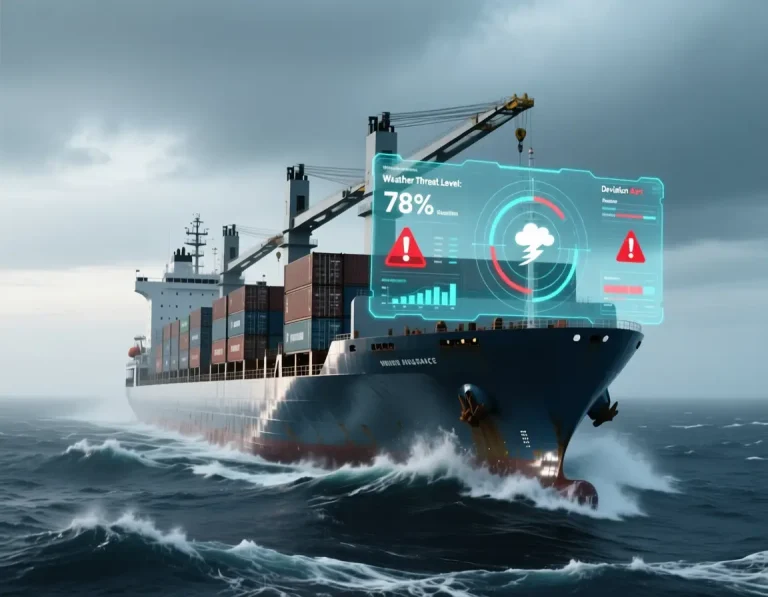
Marine insurance protects goods, ships, and cargo owners against risks during sea transport. This guide explains its definition, types, coverage, and importance in global trade.
1. Understanding Marine Insurance
Marine insurance is one of the oldest branches of insurance, created to protect maritime trade from unpredictable risks. To better understand it, we need to look at its definition, history, and present scope.
Definition of Marine Insurance
Marine insurance is a contract between an insurer and an insured, where the insurer agrees to compensate for losses or damages to ships, cargo, terminals, or any transport by which goods are transferred between points of origin and destination. Its purpose is to provide financial protection against maritime risks such as storms, collisions, or theft.
Historical Background: How Marine Insurance Started
Marine insurance dates back to the 14th century in Italian port cities like Genoa and Venice. Merchants and shipowners sought ways to share financial risks in long sea voyages. This practice later expanded to London, where Lloyd’s of London became the central hub of marine insurance, setting the foundation for today’s global insurance market.
Scope: What Does Marine Insurance Cover Today?
Today, marine insurance goes beyond ships and cargo. It covers freight, offshore energy installations, container terminals, and even environmental liabilities caused by accidents at sea. This wide scope reflects the evolving nature of global trade and the growing complexity of risks.
2. Why Marine Insurance is Important in Global Trade
International trade relies heavily on maritime transport, making marine insurance a crucial safeguard. It ensures continuity in commerce by protecting cargo owners, ship operators, and logistics companies against financial shocks.
Role in International Shipping and Logistics
Over 80% of world trade volume is carried by sea. Marine insurance enables exporters and importers to operate confidently, knowing that their shipments are financially protected in case of loss or delay. Without it, many companies would hesitate to engage in cross-border trade.
Risk Factors in Maritime Transport (storms, piracy, accidents)
Maritime transport involves unique risks:
- Natural hazards like storms, tsunamis, or hurricanes
- Human threats such as piracy and theft at ports
- Mechanical failures, collisions, or fires on board
Each of these risks can lead to huge financial losses. Marine insurance acts as a risk-sharing mechanism, minimizing the impact on individual businesses.
Legal and Regulatory Requirements
In many countries, marine insurance is not just optional—it is legally required for certain types of cargo or vessels. International conventions, such as the Hague-Visby Rules, set standards for carrier responsibilities. Insurers help businesses comply with these requirements while reducing their legal exposure.
3. Types of Marine Insurance
Marine insurance has different categories, each designed for specific risks. Understanding these types helps businesses choose the right coverage for their needs.
Marine Cargo Insurance
This type protects goods in transit against risks like loss, theft, or damage during shipping. It is widely used by exporters, importers, and freight forwarders to secure international transactions.
Hull Insurance
Hull insurance covers physical damage to the ship itself, including machinery and equipment. Shipowners use it to safeguard their vessels against accidents at sea or in port.
Freight Insurance
Freight insurance protects the shipping company’s earnings. If cargo is lost or damaged, and freight charges cannot be collected, the insurer compensates for the lost revenue.
Liability Insurance (Protection & Indemnity)
Also known as P&I insurance, this covers legal liabilities arising from ship operations, such as injury to crew, environmental pollution, or damage to third-party property.
Offshore Energy & Specialized Marine Insurance
With the rise of offshore oil rigs, wind farms, and specialized maritime equipment, insurers developed tailored products to protect these high-value assets against accidents or environmental risks.
| Type of Marine Insurance | What It Covers | Who Typically Buys It |
|---|---|---|
| Marine Cargo Insurance | Goods in transit (loss, theft, or damage) during shipping | Exporters, importers, freight forwarders |
| Hull Insurance | Ship, machinery, and onboard equipment damage | Shipowners, vessel operators |
| Freight Insurance | Loss of freight charges if cargo is lost or damaged | Shipping companies, logistics operators |
| Liability (P&I) Insurance | Legal liabilities: crew injury, third-party damage, environmental pollution | Shipowners, charterers, operators |
| Offshore Energy Insurance | Offshore rigs, wind farms, and specialized maritime equipment | Offshore energy firms, oil & gas companies |
4. Key Coverage and Clauses in Marine Insurance
Marine insurance contracts contain specific clauses that define coverage and exclusions. Understanding these clauses helps policyholders know exactly what protection they have.
Institute Cargo Clauses (A, B, C)
These are standard sets of terms used worldwide:
- Clause A: Covers “all risks” of loss or damage (broadest coverage).
- Clause B: Covers a limited range of named risks (e.g., fire, collision).
- Clause C: Provides the narrowest coverage, protecting against major disasters only.
These clauses allow businesses to choose coverage levels based on their budget and risk tolerance.
War & Strike Clauses
Standard marine insurance policies often exclude losses from war or strikes. Special clauses can be added to cover political risks, civil unrest, or labor strikes affecting shipping routes.
General Average Clause
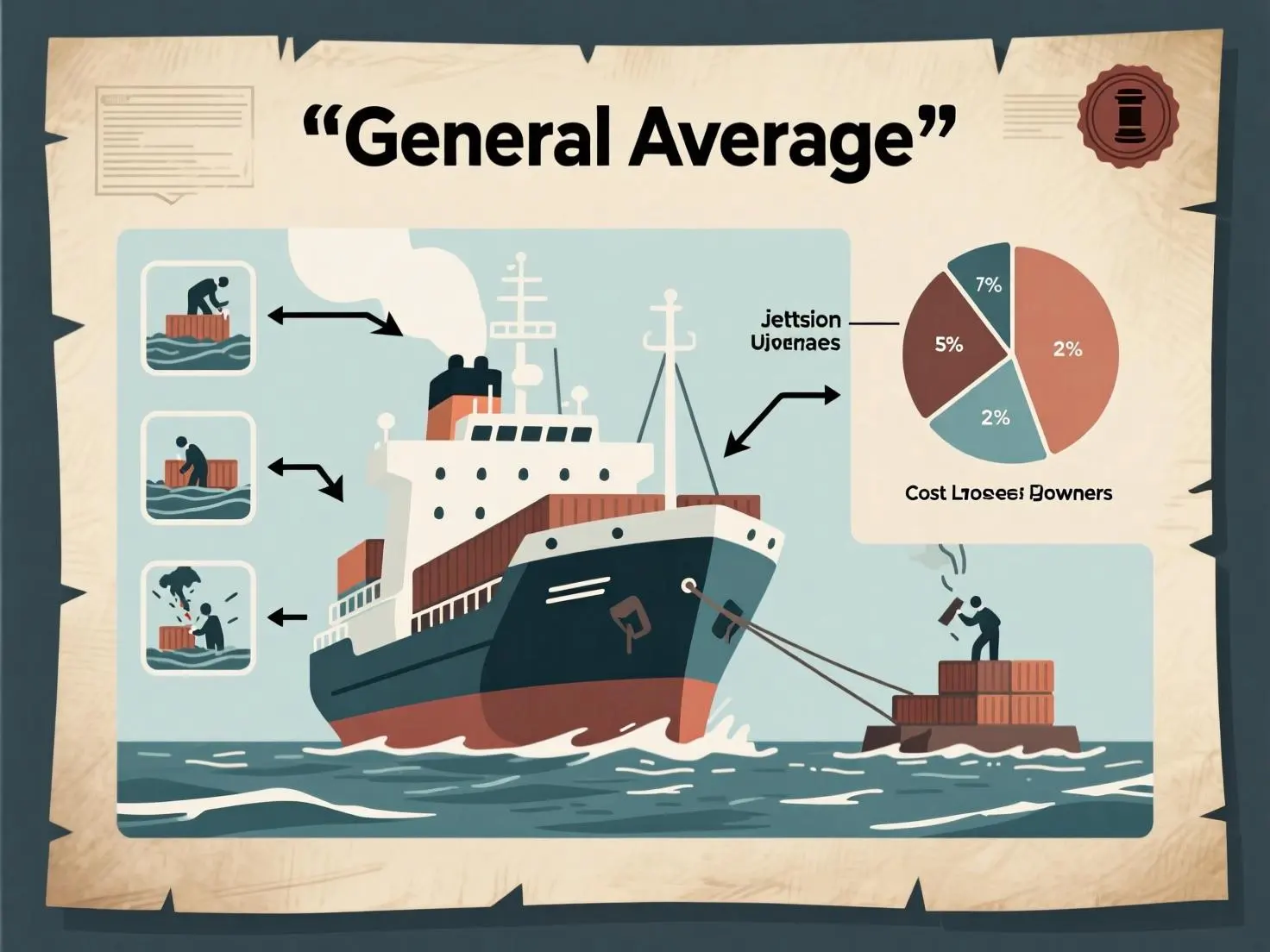
This principle states that if part of the cargo is sacrificed to save the voyage (e.g., throwing goods overboard in a storm), all cargo owners share the loss proportionally. Marine insurance ensures cargo owners are fairly compensated in such situations.
Particular vs. General Loss
- Particular loss: A loss affecting only one party (e.g., damaged cargo in one container).
- General loss: A loss shared among multiple stakeholders (e.g., emergency actions that save the vessel).
Understanding this distinction is essential because it affects how compensation is distributed.
5. How Marine Insurance Works
Marine insurance operates through a structured process that ensures risks are evaluated, premiums are collected, and claims are fairly settled. Understanding this process helps both shipowners and cargo owners make informed decisions.
The Insurance Contract Process
The process begins with the insured providing details about the shipment, vessel, route, and cargo. Based on this information, the insurer issues a policy that outlines coverage, exclusions, and premium costs. The policy becomes a legally binding contract between both parties.
Premium Calculation Factors
Premiums in marine insurance are not fixed—they depend on several factors:
-
Type and value of cargo or vessel
-
Route and destination (high-risk areas increase premiums)
-
Seasonal risks (e.g., monsoon season, hurricane zones)
-
Vessel condition and age
-
Past claims history of the insured
This calculation ensures fairness, as riskier shipments pay higher premiums.
Claims Procedure and Documentation
When a loss occurs, the insured must notify the insurer immediately and provide necessary documentation such as the bill of lading, survey report, invoices, and photographs of the damage. The insurer then investigates the claim, usually through an appointed marine surveyor, before issuing compensation.
Role of Marine Surveyors
Marine surveyors act as independent experts who assess the extent of damage, verify the cause, and confirm whether it falls under policy coverage. Their reports are crucial in claim settlements and help prevent fraudulent claims.
6. Benefits of Marine Insurance
Marine insurance offers multiple advantages that support the smooth functioning of international trade. For businesses involved in shipping, it is not just a safety net but a necessity.
Financial Protection Against Losses
The most obvious benefit is financial security. Whether it’s cargo lost in a storm or damage from a collision, marine insurance ensures the insured party does not bear the full financial burden.
Business Continuity in International Trade
Global trade thrives on reliability. By covering potential losses, marine insurance enables exporters, importers, and carriers to continue operations even after significant setbacks, protecting supply chain stability.
Legal Compliance for Exporters/Importers
In many jurisdictions, marine insurance is required for international trade contracts. Having valid coverage not only fulfills legal obligations but also facilitates smoother customs clearance and contract negotiations.
Peace of Mind for Shipowners and Cargo Owners
Beyond financial protection, marine insurance provides psychological assurance. Shipowners and cargo owners can focus on operations instead of worrying about potential disasters, allowing them to expand business opportunities confidently.
7. Challenges and Limitations of Marine Insurance
Despite its importance, marine insurance has limitations that policyholders should be aware of. These challenges highlight the need for careful planning and risk assessment.
Exclusions and Restrictions
Marine insurance policies often exclude risks like ordinary wear and tear, delays, intentional misconduct, or poor packaging. Businesses must read their policies carefully to avoid unexpected gaps in coverage.
High Premiums in Risky Routes
Shipments passing through piracy-prone regions, war zones, or areas with severe weather may face extremely high premiums. While necessary, these costs can increase the overall expense of trade operations.
Fraud and Moral Hazards
Insurance fraud, such as intentional cargo damage or exaggerated claims, remains a serious issue in the maritime industry. Insurers respond with strict verification processes, but this can slow down claim settlements.
Complexity of International Claims
Marine insurance involves multiple jurisdictions, carriers, and international laws. When accidents occur in foreign waters, resolving claims can become time-consuming and legally complex, delaying compensation.
8. Marine Insurance vs. Other Transport Insurance
Although marine insurance dominates global trade coverage, other forms of transport insurance—like aviation, road, and rail—play similar roles. Comparing them helps businesses choose the right protection.
Comparison with Aviation Insurance
-
Marine insurance: Focuses on risks at sea, including storms, piracy, and collisions.
-
Aviation insurance: Covers risks in air transport, such as accidents, hijacking, or airport-related damages.
Both are essential in international logistics, depending on the chosen mode of transport.
Comparison with Road & Rail Transport Insurance
-
Road & rail insurance: Covers risks like accidents, theft, and cargo loss on land routes.
-
Marine insurance: Offers broader protection for high-value goods transported across international waters.
Marine insurance often complements land insurance in multimodal transport chains.
Which Businesses Need Marine Insurance the Most?
Marine insurance is vital for:
-
Exporters and importers dealing with high-value or bulk shipments
-
Shipping companies and vessel operators
-
Offshore energy companies
-
Freight forwarders managing global supply chains
| Type of Insurance | Main Risks Covered | Typical Coverage | Industries/Users |
|---|---|---|---|
| Marine Insurance | Storms, piracy, ship collisions, cargo loss/damage at sea | Ships, cargo, freight, offshore facilities | Exporters, importers, shipowners, energy firms |
| Aviation Insurance | Air crashes, hijacking, airport handling damage, liability for passengers | Aircraft hull, cargo in air transit, liability | Airlines, cargo carriers, aerospace companies |
| Land Transport Insurance | Road/rail accidents, theft, fire, cargo loss/damage on land routes | Trucks, trains, cargo during inland transit | Logistics firms, wholesalers, retailers |
9. Future of Marine Insurance
Marine insurance is evolving alongside changes in global trade, technology, and environmental challenges. Businesses must understand these trends to prepare for the future of shipping and risk management.
Impact of Technology and Digitalization
Digital platforms are streamlining insurance processes by enabling faster risk assessment, policy issuance, and claim settlements. Online portals and AI-driven analytics allow insurers to evaluate risks more accurately, reducing delays and paperwork.
Blockchain & Smart Contracts in Insurance
Blockchain technology is bringing transparency to marine insurance. Smart contracts can automatically trigger payments once conditions are met, reducing disputes and fraud. This innovation could redefine how insurers and shipping companies interact in the coming years.
Environmental Risks and Green Shipping Trends
With climate change increasing the frequency of severe storms and oceanic disruptions, insurers are adapting policies to cover new types of risks. At the same time, shipping companies are moving toward greener practices, such as fuel-efficient vessels and carbon-neutral operations, which could influence future premium structures.