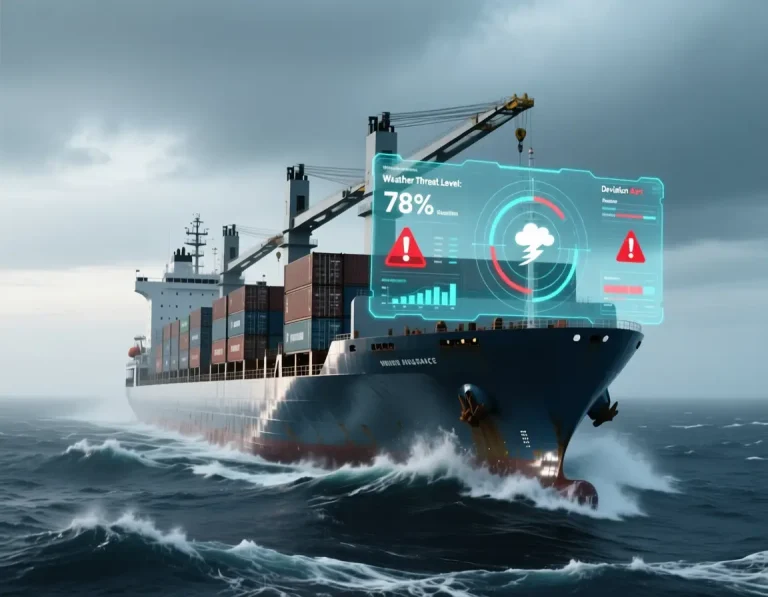
Protection and Indemnity (P&I) insurance remains a cornerstone of maritime risk management, offering shipowners comprehensive protection against a wide array of liabilities.
Understanding the key areas covered by P&I insurance is crucial for anyone involved in shipping operations. In the following sections, we will explore the main aspects that make P&I coverage indispensable for the maritime industry.
Key Areas Covered by P&I Insurance
The following key areas highlight the extensive coverage provided by P&I insurance to shipowners and maritime operators.
1. Injury, Illness, or Death of Crew and Passengers
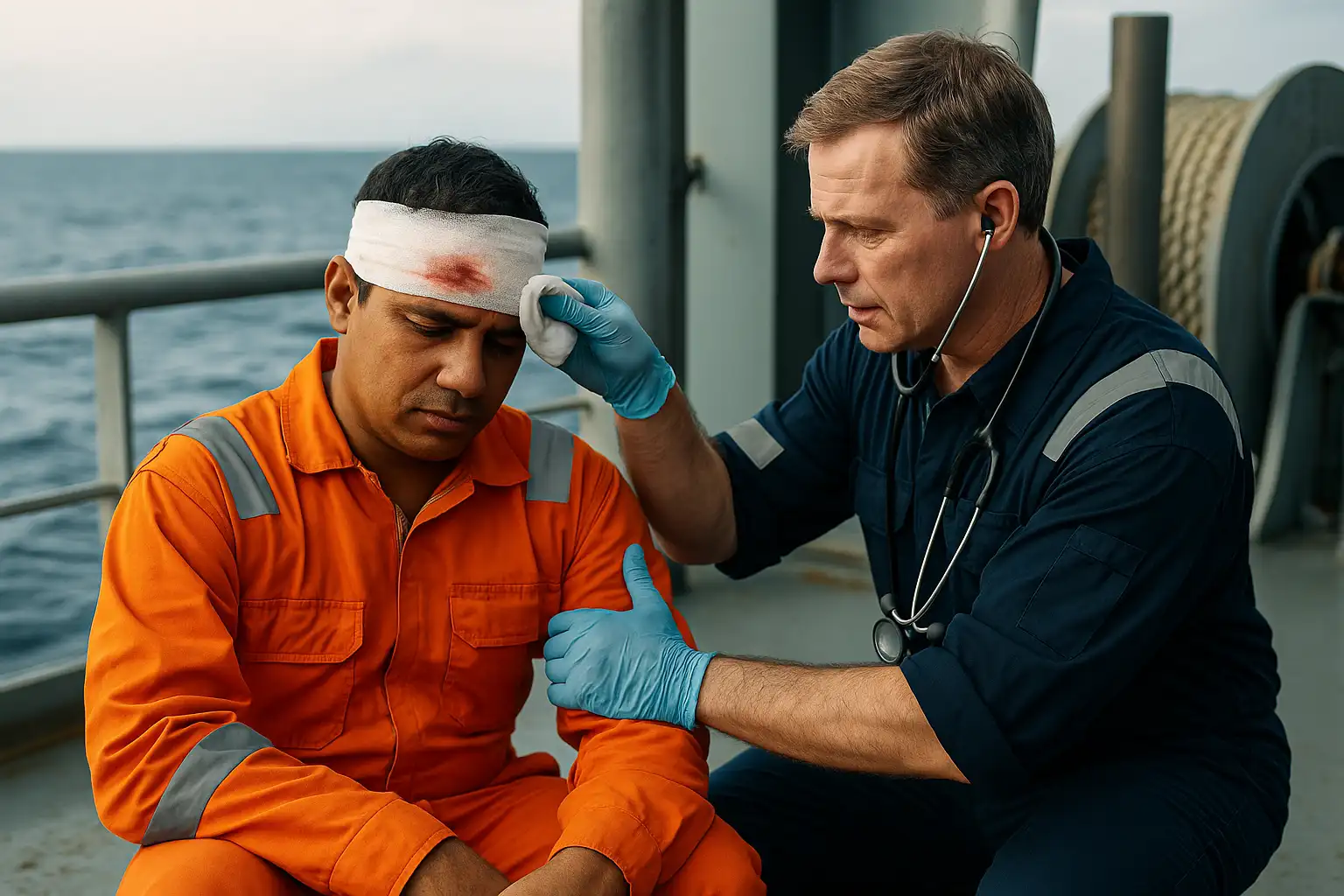
One of the most significant liabilities covered under P&I insurance is the injury, illness, or death of crew members or passengers aboard a ship. In the event of an accident, shipowners are legally responsible for the medical expenses, compensation claims, repatriation costs, and even funeral expenses in case of death.
- Medical expenses and compensation claims for crew members
- Repatriation costs for injured or ill crew members
- Funeral expenses in the event of crew or passenger death
This coverage also extends to crew repatriation insurance, which ensures that the crew is safely returned to their home country, should they need to be evacuated due to injury or illness. Crew repatriation insurance is an essential part of the overall risk management strategy for shipowners, ensuring that they can handle unexpected crew issues effectively.
2. Pollution and Environmental Damage
Environmental protection is a major concern in the maritime industry. P&I insurance offers coverage for environmental liabilities, particularly when accidents lead to the discharge of oil, hazardous substances, or other pollutants into the ocean. Shipowners are responsible for the cleanup costs, fines, and damages caused to the environment as a result of pollution incidents.
- Cleanup costs for oil spills and hazardous material discharge
- Fines and penalties for violating environmental regulations
- Damages to third parties affected by pollution
This is where marine environmental liability coverage becomes crucial. It covers the expenses associated with cleaning up spills and responding to environmental disasters caused by maritime activities. With marine environmental liability coverage, shipowners can ensure they comply with international regulations while protecting the environment.
3. Damage to Third-Party Property
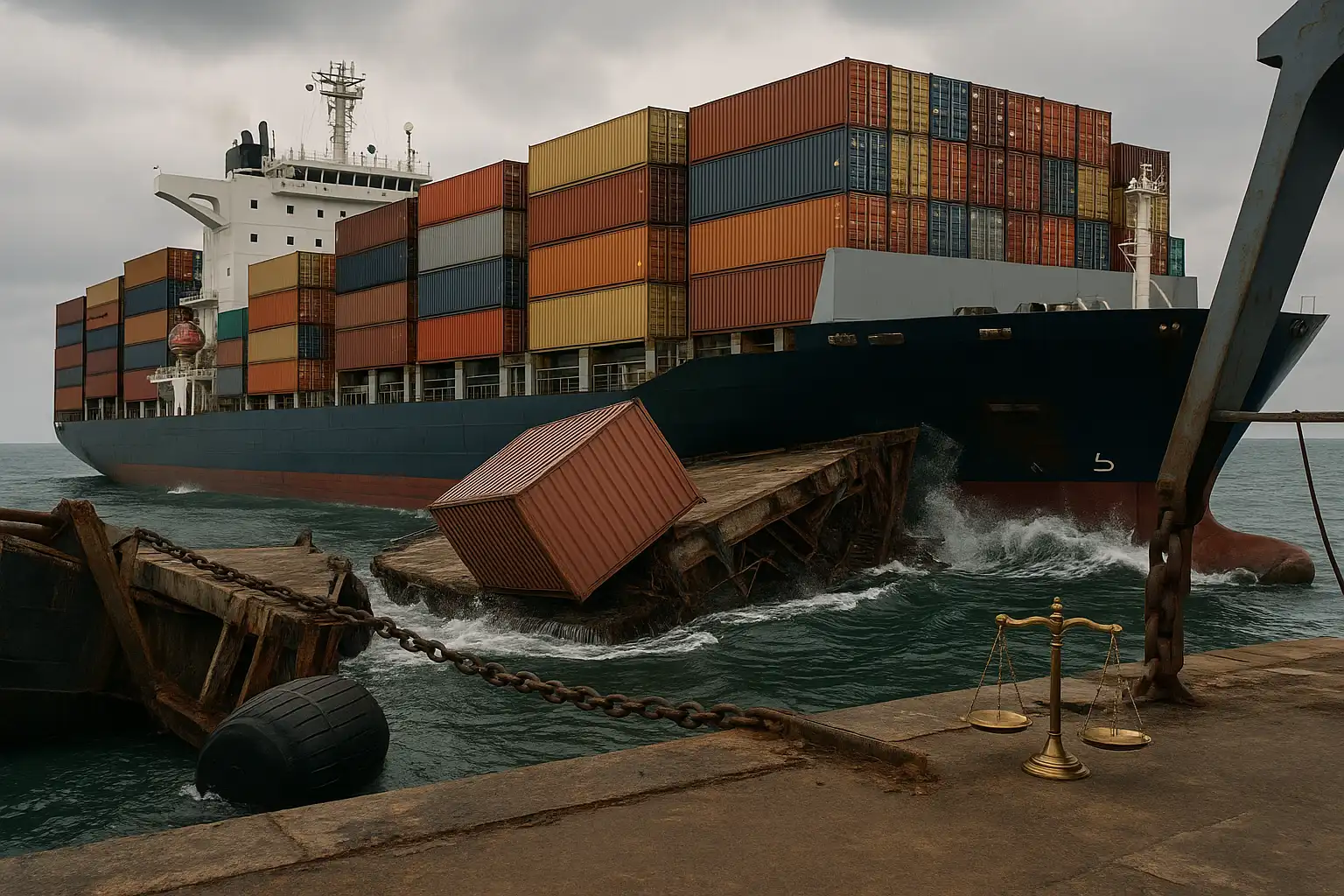
Shipowners are also liable for damages caused to third-party property. This can include damages to docks, other vessels, or harbor infrastructure due to collisions or accidents. P&I insurance covers these types of third-party legal liabilities, ensuring that the shipowner is not financially burdened by the costs of repair and replacement.
- Damages to other vessels or harbor infrastructure due to collisions
- Liability for accidents involving docking facilities or port equipment
4. Cargo Loss or Damage
Cargo protection is another crucial aspect covered by P&I insurance, safeguarding against financial losses related to damaged or lost goods during shipping operations.
- Loss or damage to cargo caused by negligence
- Liability for delays in delivering cargo as per contractual agreements
Cargo loss coverage is a critical part of P&I insurance and ensures that any financial implications arising from damaged or lost cargo do not severely impact the shipowner’s financial standing. Whether it’s during rough weather or improper handling, cargo loss coverage can help minimize the financial risks associated with cargo transit.
5. Fines and Legal Defense
P&I insurance also provides support against legal penalties and defense costs, which can arise unexpectedly in the maritime business.
- Legal costs related to customs violations and regulatory breaches
- Defense against third-party claims, including wrongful injury or property damage
6. Legal Liabilities Related to Ship Operations
Beyond immediate accidents and environmental damages, P&I insurance addresses legal obligations related to international maritime regulations, ensuring shipowners maintain compliance worldwide.
How Does P&I Insurance Work?
P&I insurance is typically provided through P&I clubs, which are mutual associations where shipowners pool their risks. The risks are shared, and claims are paid out from a collective fund. Members contribute premiums based on their vessels’ tonnage and risk profile.
In cases of large or catastrophic claims, P&I clubs often rely on reinsurance or a secondary pooling system with other clubs to offer higher coverage limits. This mutual model ensures that shipowners can share the financial burden of maritime risks in a collective manner.
When selecting a P&I insurance provider, it’s important to evaluate the scope of coverage offered. Some providers, like Arctic PANDI, offer modern and flexible P&I insurance models, which combine traditional mutual principles with cutting-edge services like digital claims systems and global underwriting capabilities.
Why Is P&I Insurance Important?
The maritime industry is highly regulated and exposed to numerous unpredictable risks. A single legal claim can cost millions of dollars, whether it involves a cargo dispute, an oil spill, or a crew injury. Without proper coverage, these risks could be financially devastating.
P&I insurance provides protection against these unpredictable liabilities and ensures compliance with international maritime laws, giving shipowners the operational confidence they need to run their businesses efficiently. It also offers legal support, so shipowners and operators can handle any legal issues that may arise.
The Role of P&I Clubs in the Maritime Industry
P&I clubs play a pivotal role in the maritime insurance ecosystem. These clubs function as mutual associations, where shipowners share the risks of operating vessels. They provide legal support, claims management, and global consistency in maritime insurance coverage.
Some modern insurers, such as Arctic PANDI, offer a hybrid model that combines P&I club insurance principles with the flexibility of commercial insurance. This allows for tailored services that meet the specific needs of shipowners and maritime businesses.
Key Areas Covered by P&I Insurance: What You Need to Know
Below is a summarized table showing the key areas covered by P&I insurance:
|
Coverage Area |
Description |
|
Crew Injury and Illness |
Covers medical expenses, compensation, and repatriation costs. |
|
Environmental Damage |
Covers oil spills, hazardous substances, and fines. |
|
Third-Party Property Damage |
Protects shipowners from third-party property damages. |
|
Cargo Loss or Damage |
Covers liability for lost or damaged cargo. |
|
Legal Costs and Fines |
Covers fines, legal defense, and customs violations. |
Final Thoughts on Key Areas Covered by P&I Insurance
To summarize, Key Areas Covered by P&I Insurance include coverage for crew and passenger injuries, environmental damages, third-party property damages, cargo loss, fines, and legal liabilities. These areas of protection ensure that shipowners and operators are shielded from financial hardships and legal complications associated with their maritime operations.
If you are looking for comprehensive Protection and Indemnity insurance solutions, Arctic PANDI is here to help. We specialize in tailoring P&I insurance plans that cover all the key areas you need, providing you with peace of mind and ensuring the safety of your maritime business
Get In Touch with Arctic PANDI
At Arctic PANDI, we understand the unique challenges of the maritime industry. Contact us today to explore flexible, expert-backed P&I insurance policies tailored to your specific needs and operational requirements.