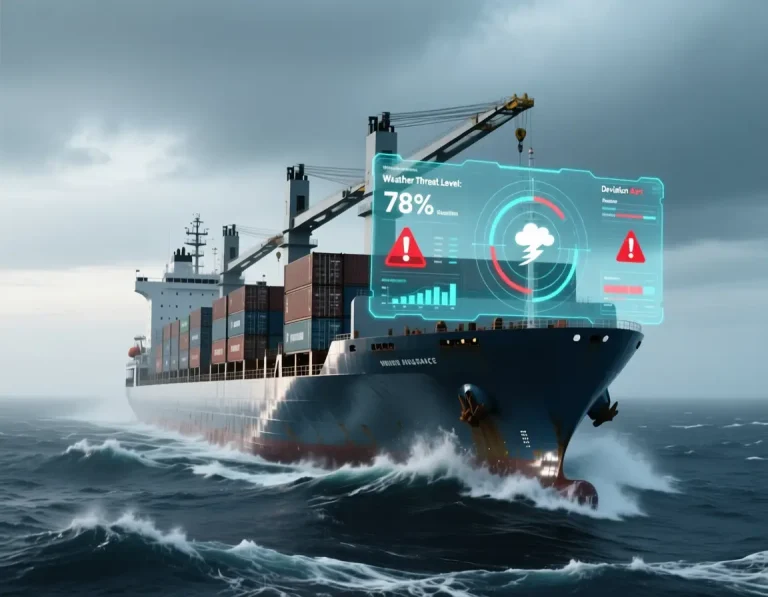
Marine insurance has always been at the heart of global trade, but today it faces rising complexity, costs, and risks. InsurTech — the use of technology to modernize insurance — is reshaping how marine insurers assess risks, issue policies, and handle claims. This article explores how InsurTech is transforming marine insurance, the key technologies driving it, and the trends that will shape the future.
1. Marine Insurance in Context
Marine insurance is one of the oldest types of insurance, designed to protect ships, cargo, and operators from unpredictable risks at sea. To understand why InsurTech matters here, we first need to see the challenges of traditional marine insurance.
Key Types of Marine Insurance
Marine insurance typically covers:
-
Hull insurance: protects the ship itself against damage.
-
Cargo insurance: protects goods carried by sea against loss or damage.
-
Protection and Indemnity (P&I): covers liability claims such as injury to crew or pollution.
-
Offshore and specialty cover: for oil rigs, offshore wind, and other maritime projects.
Each type of cover has its own risk profile, making marine insurance inherently complex.
Traditional Risk Factors in Marine Insurance
Marine insurance must account for multiple risk factors:
-
Severe weather and storms damaging ships and cargo.
-
Piracy and theft in high-risk shipping lanes.
-
Mechanical failure or poor vessel maintenance.
-
Regulatory compliance at ports worldwide.
-
Fuel, emissions, and environmental risks.
These risks mean insurers rely heavily on data and expertise — but until recently, this process was slow and reactive.
Challenges Before Digital Disruption
Historically, marine insurers faced:
-
Slow underwriting due to manual paperwork.
-
Limited access to real-time vessel and cargo data.
-
Fragmented systems across ports, insurers, and brokers.
-
Difficulty modeling new risks like climate change and cyber threats.
These pain points created high costs and delays, and made it difficult to offer flexible products. This is where InsurTech steps in.
2. Key InsurTech Innovations
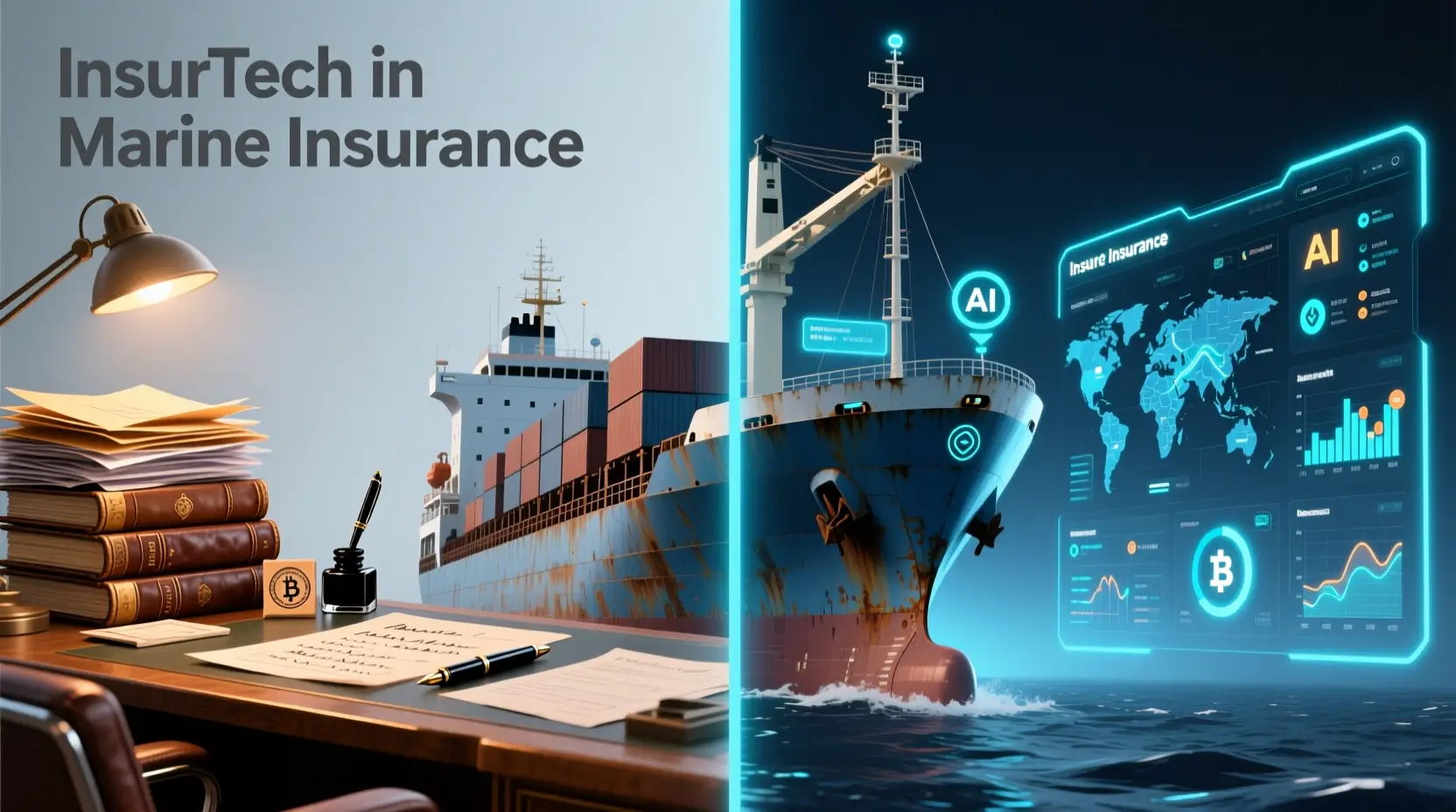
InsurTech in marine insurance introduces digital tools that make risk assessment, policy issuance, and claims faster and more accurate. The following technologies are leading the transformation.
Artificial Intelligence & Data Analytics
AI and machine learning analyze vast datasets — from shipping routes to weather forecasts — to predict risks more accurately. For example, predictive analytics can warn insurers about the likelihood of a vessel facing engine trouble or navigating through storm zones. This helps insurers set fairer premiums and shipping companies to improve safety.
IoT & Real-Time Sensors
Internet of Things devices installed on vessels and cargo containers provide real-time data. Sensors can monitor:
-
Ship engine performance.
-
Cargo temperature and humidity.
-
Fuel usage and emissions.
-
Positioning and route tracking.
This data reduces uncertainty for insurers and ensures claims can be validated quickly, lowering disputes.
Blockchain & Smart Contracts
Blockchain creates transparent, tamper-proof records for policies and claims. Smart contracts can automatically trigger payouts when predefined conditions occur — for example, if a cargo container records excessive temperature during transit. This reduces fraud and speeds up claims.
Digital Platforms & Automation
Modern InsurTech platforms allow shipping companies to buy, renew, and manage policies online. Automated underwriting and digital claims processing cut down administrative costs, improve transparency, and create a smoother customer experience.
3. Market Drivers & Trends
The adoption of InsurTech in marine insurance is not random — it is being accelerated by global trends and market demands.
Rising Climate and ESG Pressures
Climate change has increased extreme weather events, while regulators demand stricter environmental compliance. Marine insurers are under pressure to factor sustainability and emissions data into policies. InsurTech solutions provide the data tracking and analysis required for this.
Need for Efficiency and Transparency
Shipping companies demand faster claims and fairer premiums. InsurTech offers transparency in pricing and speeds up claims with automation, which builds trust between insurers and their clients.
Growth of Parametric and Customized Policies
Parametric insurance pays out automatically when specific triggers are met, such as wave height or wind speed exceeding a threshold. Customized and usage-based policies are also growing, giving shipping firms flexibility and cost savings.
Partnerships and Ecosystems
Insurers are increasingly partnering with technology startups, port authorities, and logistics firms. These collaborations accelerate innovation and ensure solutions are practical in real-world maritime operations.
4. Real-World Applications
InsurTech in marine insurance is no longer theoretical; several solutions are already in use, showing measurable benefits for insurers and shipping companies.
Concirrus Hull Risk Models
Concirrus uses big data and AI to model hull insurance risks. By analyzing ship behavior, maintenance history, and route data, it helps insurers understand which vessels are higher risk. This allows for more accurate pricing and reduces the chance of unexpected claims.
IoT Cargo Tracking
Sensors placed inside containers monitor temperature, humidity, and shocks during transit. If cargo such as pharmaceuticals or electronics is exposed to harmful conditions, alerts are triggered instantly. For insurers, this reduces disputes by providing clear evidence of when and where damage occurred.
Blockchain-Based Claims
Some insurers are testing blockchain to automate claims. For example, if a container arrives late due to a storm, the system can automatically verify conditions and trigger a payout without lengthy paperwork. This improves trust and efficiency.
AI Platforms for Underwriting
Companies are also using AI-driven platforms to scan global shipping data, political risks, and even war zone alerts. This allows underwriters to adjust coverage in real time and provide flexible terms to clients operating in sensitive regions.
5. Challenges Ahead
While InsurTech in marine insurance offers huge potential, adoption is not without obstacles. Insurers, regulators, and shipping firms face challenges that must be addressed for widespread success.
Data Quality and Availability
The value of InsurTech depends on reliable data. Many ships and ports still lack modern sensors or standardized reporting, leading to data gaps that weaken risk models.
Cybersecurity Risks
Digital systems onboard ships and in insurer databases are vulnerable to cyberattacks. A hacked sensor or falsified dataset could trigger false claims or financial losses, creating a new layer of risk for insurers.
Regulatory and Legal Issues
Regulations around data privacy, blockchain, and autonomous vessels are still evolving. Insurers must navigate different laws across jurisdictions, which slows down adoption.
High Costs and Legacy Integration
Installing IoT devices on fleets, training staff, and integrating with old IT systems requires major investment. Smaller insurers and shipping companies often find these costs difficult to manage.
6. Future Outlook
Despite challenges, the future of InsurTech in marine insurance looks strong. Innovation is expected to accelerate as global trade evolves and sustainability becomes a key priority.
Autonomous and Green Vessels
The rise of autonomous ships and eco-friendly vessels introduces new risks — from software malfunctions to alternative fuel storage. InsurTech will be critical in designing policies for these emerging technologies.
Parametric and Embedded Insurance
Parametric policies, triggered by weather or cargo conditions, will expand further. Embedded insurance — where coverage is automatically included in shipping contracts — will also grow, offering seamless protection.
Digital Twins and Predictive Analytics
Digital twin technology, which creates a virtual model of a vessel, allows insurers to simulate risks and predict maintenance needs. This reduces downtime and claims, benefiting both insurers and shipowners.
Global Trade Shifts
New shipping routes, such as Arctic passages opening due to melting ice, will require fresh risk models. InsurTech can quickly adapt underwriting to these emerging trade realities.
Conclusion
InsurTech in marine insurance is more than a passing trend — it is a structural shift that changes how risks are measured, policies are designed, and claims are handled. Here are the key takeaways:
-
Marine insurance has long struggled with slow processes, fragmented data, and high uncertainty.
-
InsurTech introduces AI, IoT, blockchain, and automation to create faster and more reliable solutions.
-
Market drivers such as climate risk, ESG regulations, and demand for transparency are accelerating adoption.
-
Real-world applications already show success, from blockchain-based claims to IoT cargo tracking.
-
Challenges remain, including cybersecurity, regulation, and cost — but innovation is moving forward.
For insurers, brokers, and shipping companies, the message is clear: adopting InsurTech is no longer optional. It provides the tools needed to respond to modern risks and stay competitive in a global industry.
For businesses involved in shipping, this transformation means policies that are faster, smarter, and more tailored to their needs. InsurTech in marine insurance is not just about efficiency; it’s about building resilience for the future of global trade.