Hull Coverage Explained – Clause 280 Guide
Hull Coverage, as defined under Clause 280, represents a foundational element of Hull & Machinery Insurance. This coverage is designed to protect shipowners against physical loss or damage to the vessel’s hull and essential machinery as a result of marine perils. At Arctic Pandi, we recognize the critical importance of preserving the integrity of a vessel’s structure and equipment. Our tailored Hull Coverage solutions under Clause 280 offer comprehensive protection, ensuring that your asset remains secure against unforeseen events at sea.
Understanding Clause 280
Clause 280 is a standard provision maintained by the Institute of London Underwriters (now part of Lloyd’s Market Association) to define the scope of Hull Coverage in marine insurance contracts. Under this clause, the insurer agrees to indemnify the assured for direct physical loss or damage to the insured hull and machinery of the vessel, subject to specified terms, conditions, and exclusions.
-
Scope of Coverage:
-
Collision and Contact: Damage arising from a collision with another ship, submerged object, or fixed structure, including piers, docks, and offshore installations.
-
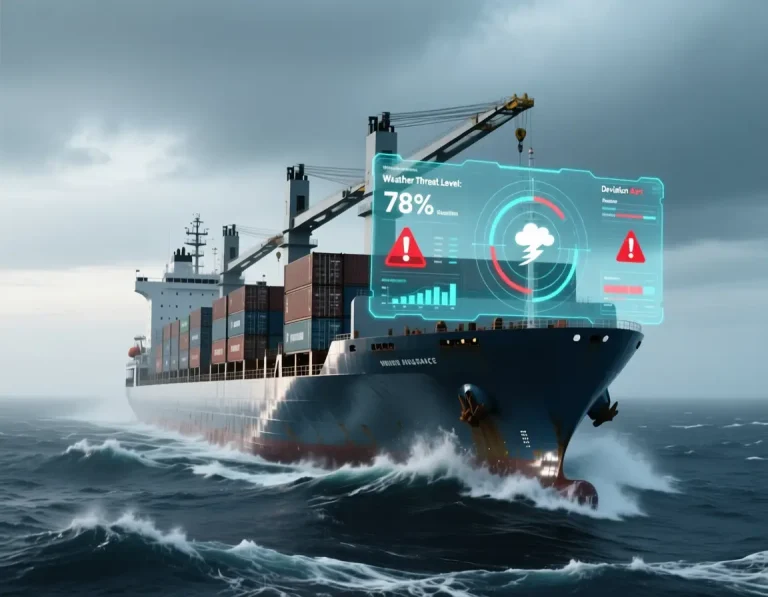
Heavy Weather Damage: Loss resulting from storms, hurricanes, or rogue waves, including structural deformation or water ingress.
-
Stranding, Grounding, and Sinking: Costs associated with a vessel running aground, becoming stranded on a shoal, or sinking, provided such incidents occur due to navigational errors, mechanical failure, or unforeseen sea conditions.
-
Fire, Explosion, and Lighting: Loss or damage caused by onboard fires, explosions in engine rooms, or lightning strikes.
-
Malicious Acts, Piracy, and Vandalism: Coverage for damage inflicted by pirates, sabotage, vandalism, or other intentional acts (unless excluded by war-risk endorsements).
-
Accidental Damage: Incidental or unintended damage during normal operation, such as accidental collision within port facilities or dry-docking incidents.
-
Clause 280 stipulates that the insured must be the “owner, charterer, manager, or operator” of the vessel, and the coverage attaches upon the vessel’s registration in the insurance policy.
Key Inclusions Under Hull Coverage
-
Hull and Deck Structures
The main body of the vessel—including shell plating, bulkheads, decks, and superstructure—is protected. Any breach or deformation that compromises seaworthiness is covered, subject to the policy’s deductible and limits. -
Machinery and Propulsion Systems
Clause 280 extends to primary propulsion machinery (e.g., main engines, turbines) and auxiliary machinery (e.g., generators, pumps, compressors). Damage resulting from a covered peril—such as mechanical breakdown during a collision—will be indemnified. -
Fittings, Equipment, and Spare Parts
Items attached to the vessel—such as anchors, chains, navigational aids, and essential spare parts—are included. If these components are lost or damaged due to a covered event, the insurer will compensate the assured for repair or replacement. -
Temporary Repair Costs
Should immediate repairs be required to render the vessel seaworthy following an incident, Clause 280 typically covers the costs of temporary patching or stabilization measures until permanent repairs can be effected at a repair yard. -
General Average Contributions
In cases where a general average situation arises (e.g., intentional jettison of cargo to save the vessel), Hull Coverage under Clause 280 provides contribution to general average, based on the agreed average adjustment.
Exclusions and Limitations
Although Clause 280 is comprehensive, certain exclusions and limitations apply. These typically include:
-
Wear and Tear/Gradual Deterioration: Damage due to corrosion, rust, or general wear and tear is not covered. Routine maintenance responsibilities remain with the vessel owner.
-
Negligence or Willful Misconduct: Loss or damage resulting from deliberate misconduct, reckless navigation, or violation of statutory regulations may be excluded.
-
Unseaworthiness at Inception: If the vessel was unseaworthy or unfit for service at the time of policy commencement, claims arising from that condition may be denied.
-
War Risks (Unless Endorsed Separately): Clause 280 does not cover war-related perils (such as mines or torpedoes) unless a separate War Risk Endorsement (Clause 281) is purchased.
-
Pollution Fines and Penalties: Although hull damage is covered, financial penalties imposed by authorities due to oil spills or pollution incidents are not included. Such liabilities typically fall under separate P&I (Protection & Indemnity) policies.
-
Nuclear Risks: Damage caused by radioactive contamination or nuclear incidents is expressly excluded.
Clarifying these exclusions with an experienced underwriter—such as those at Arctic Pandi—ensures that shipowners can choose suitable endorsements or additional covers to fill any protection gaps.
Benefits of Hull Coverage under Clause 280
-
Asset Protection
A merchant vessel or tanker can represent a multi-million-dollar investment. Hull Coverage safeguards this capital by financing repairs or replacement, thereby protecting the owner’s balance sheet from catastrophic losses. -
Operational Continuity
Rapid access to funds for emergency repairs reduces vessel lay-up time. Arctic Pandi’s 24/7 claims response network expedites assessments and approvals, minimizing operational disruptions. -
Underwriting Expertise
By leveraging Clause 280, Arctic Pandi adheres to internationally recognized standards. This consistency facilitates smooth claims handling, swift settlement negotiations, and transparent policy terms. -
Financial Stability
In the event of a major incident—such as a grounding or collision—Hull Coverage covers salvage costs, towage, and repair expenses. This ensures that the insured does not bear the full financial burden and can maintain liquidity during crisis scenarios. -
Customization and Flexibility
Arctic Pandi offers bespoke deductibles, policy limits, and geographic trading clauses. Shipowners can choose between time or voyage policies, adjust warranties, and select additional protections to meet specific trading needs.
Why Choose Arctic Pandi for Your Hull Coverage Needs?
-
Global Reach, Local Expertise: With a network spanning major shipping hubs, Arctic Pandi underwrites Hull Coverage for vessels trading in Arctic, Atlantic, Pacific, and emerging markets alike.
-
Dedicated Claims Support: Our in-house claims team collaborates directly with surveyors and repair yards to ensure accurate evaluations and prompt settlements.
-
Technical Advisory Services: Beyond insurance, Arctic Pandi’s marine engineers and loss prevention specialists provide risk assessments, hull integrity surveys, and maintenance recommendations to mitigate future losses.
-
Competitive Premiums: Leveraging our strong market relationships and risk management expertise, Arctic Pandi offers competitive rates without compromising on the breadth of coverage.
-
Compliance and Regulatory Guidance: We assist clients in navigating International Maritime Organization (IMO) regulations, flag state requirements, and classification society standards to maintain full compliance.
Frequently Asked Questions (FAQs)
-
What types of events trigger a Hull Coverage claim under Clause 280?
Covered events include collisions, grounding, fire, explosion, heavy weather damage, and accidental impacts. For war-related perils, a separate endorsement (Clause 281) is required. -
How are deductibles and limits determined?
Hull Coverage deductibles are based on vessel type, trading area, and loss history. Arctic Pandi works with clients to structure deductibles that balance premium affordability and claim inflow. -
Can Hull Coverage be combined with other marine policies?
Yes. Hull Coverage is often packaged with War Risk, P&I, and Protection & Indemnity policies to form a comprehensive marine insurance suite. Arctic Pandi can create integrated solutions to address all aspects of maritime risk. -
What documentation is required to file a Hull Coverage claim?
Typically, a written notice of loss, a preliminary survey report, repair estimates, and supporting photographs are submitted. Arctic Pandi guides clients through each step to streamline the process.
Conclusion
Hull Coverage under Clause 280 is indispensable for any shipowner seeking to mitigate financial exposure to physical damage or loss of their vessel. At Arctic Pandi, our expert underwriting, global claims network, and technical advisory services ensure that your vessel remains protected, enabling you to navigate confidently through challenging maritime environments. By choosing our Hull Coverage solutions, you invest in a partnership that prioritizes transparency, speed, and robust protection.
Call to Action
For more information about Hull Coverage or to request a tailored quote, please contact Arctic Pandi’s marine insurance specialists today. Visit our website or call our 24/7 helpline to secure your vessel with industry-leading protection.