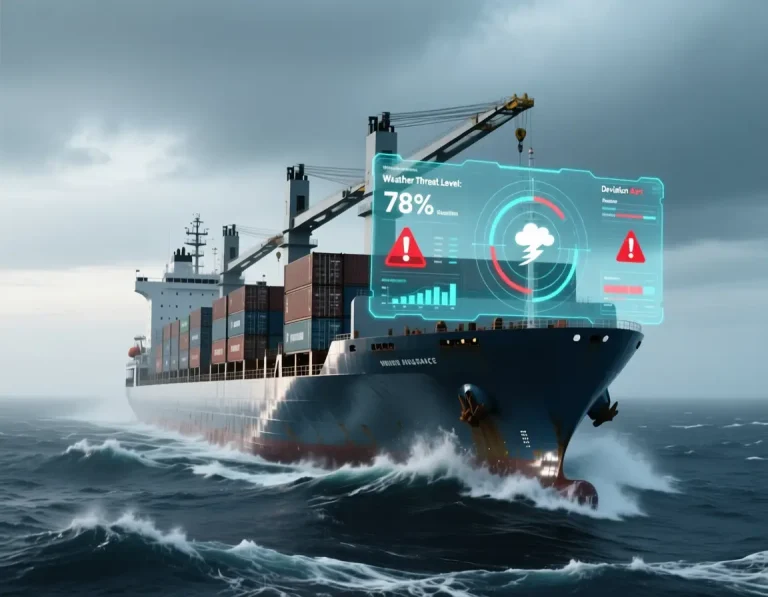
In the maritime industry, insurance is a cornerstone of risk management. Two critical components—P&I (Protection and Indemnity) Clubs and Hull Insurance—often confuse shipowners due to overlapping yet distinct roles. This article explores the difference between P&I Club and Hull Insurance, their coverage scopes, and why both are indispensable for maritime operations.
What Is Hull and Machinery Insurance?
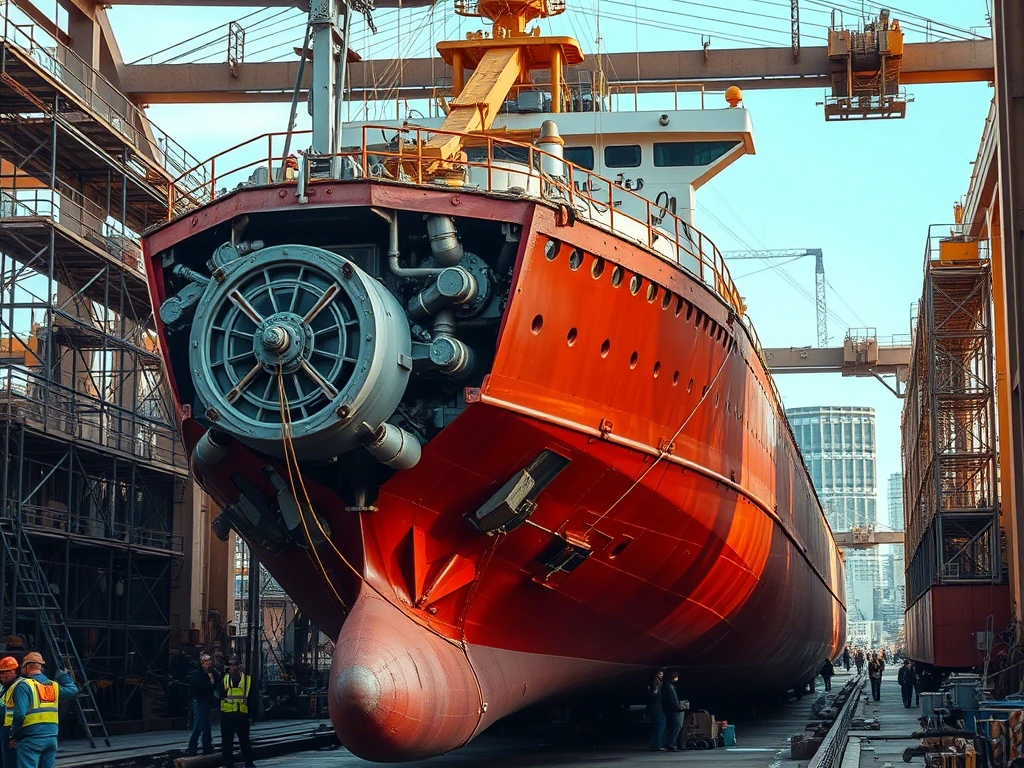
Hull Insurance, also known as Hull and Machinery (H&M) Insurance, safeguards the physical condition of a vessel. It covers damages caused by accidents, storms, collisions, or mechanical failures. This type of insurance is typically purchased from commercial insurers and focuses on the shipowner’s own asset—the vessel.
Key Features of Hull Insurance:
- Covers repair or replacement costs for the ship’s hull, engines, and machinery.
- Applies to perils like fire, grounding, or piracy.
- Often excludes third-party liabilities (e.g., cargo damage or crew injuries).
For example, if a ship’s engine fails during a voyage, Hull Insurance would cover the repair costs. However, if the failure leads to cargo spoilage, this would fall under a P&I Club’s purview.
What Is a P&I Club?
A P&I Club is a mutual insurance association formed by shipowners to pool risks. Unlike commercial insurers, these clubs operate on a not-for-profit basis, where members contribute funds to cover collective liabilities. P&I Clubs specialize in third-party risks that Hull Insurance does not address.
Key Features of P&I Coverage:
- Covers liabilities to third parties, including crew injuries, passenger claims, pollution, and cargo damage.
- Operates on a “pay-as-you-go” model, with additional calls if claims exceed reserves.
- Mandated by international regulations (e.g., the Bareboat Charter Party) for certain operations.
For instance, if a crew member falls ill at sea, a P&I Club would handle medical expenses and potential compensation claims.
Key Differences: P&I Club vs. Hull Insurance
Aspect | Hull Insurance | P&I Club |
Risk Type | Physical damage to the vessel | Third-party liabilities |
Provider | Commercial insurers | Mutual clubs owned by shipowners |
Claim Examples | Collision repairs, machinery breakdown | Crew injury, oil spills, cargo disputes |
Coverage Scope | Direct asset protection | Indirect liability protection |
This table highlights the marine insurance vs P&I coverage divide. While Hull Insurance protects the ship itself, P&I Clubs shield shipowners from financial losses arising from legal obligations to others.
Why Shipowners Need Both P&I and Hull Coverage
The protection and indemnity insurance differences from Hull Insurance make them complementary rather than competitive. Consider these reasons:
- Operational Continuity: Hull Insurance ensures the vessel remains functional after damage.
- Legal Compliance: Many jurisdictions require P&I Club membership to cover liabilities like pollution.
- Risk Diversification: Combining both policies mitigates risks from all angles.
For example, a collision might damage the hull (covered by Hull Insurance) and injure crew members (covered by P&I). Without both, a shipowner could face catastrophic financial exposure.
Cost Factors: Hull Insurance vs. P&I Club Membership
Cost Element | Hull Insurance | P&I Club |
Premium Calculation | Based on vessel value, age, and risk profile | Calculated on tonnage, trade route, claims |
Payment Structure | Fixed annual premiums | Initial call + potential additional calls |
Hull Insurance premiums are predictable, while P&I costs can fluctuate based on collective claims within the club.
Common Claims in P&I Clubs and Hull Insurance
P&I Club Claims:
- Crew illness/injury compensation.
- Oil spill cleanup costs (e.g., under the International Oil Pollution Compensation Fund).
- Cargo loss or damage disputes.
Hull Insurance Claims:
- Storm damage to the hull.
- Machinery breakdowns.
- Vessel grounding or stranding.
How to Choose Between P&I and Hull Insurance?
- Assess Operational Risks: Passenger ships or tankers face higher liability risks, necessitating robust P&I coverage.
- Regulatory Requirements: Verify mandatory insurance types in your operating regions.
- Budget Allocation: Balance premiums with potential liabilities.
For example, a container ship operator might prioritize P&I for cargo-related risks, while a fishing vessel owner focuses on Hull Insurance due to frequent mechanical wear.
Case Study: When Hull Insurance Fails Without P&I
In 2021, a bulk carrier collided with another vessel, causing hull damage and crew injuries. The Hull Insurance covered repairs, but the P&I Club handled:
- $500,000 in crew medical expenses.
- $1.2 million in cargo compensation claims.
Without P&I coverage, the shipowner would have faced severe financial strain, illustrating the difference between P&I Club and Hull Insurance in real-world scenarios.

Future Trends in Marine Insurance and P&I Clubs
- Digitalization: AI-driven claims processing and blockchain-based transparency in P&I Clubs.
- Climate Risks: Rising premiums for vessels in hurricane-prone or high-pollution zones.
- Regulatory Changes: Stricter liability laws under frameworks like the MARPOL Convention.
These trends underscore the evolving nature of maritime risks and the need for adaptive insurance solutions.
Conclusion: Balancing P&I and Hull Insurance for Optimal Protection
Understanding the difference between P&I Club and Hull Insurance is vital for maritime risk management. While Hull Insurance protects the vessel itself, P&I Clubs shield against third-party liabilities. Together, they form a comprehensive safety net, ensuring financial stability in an unpredictable industry. As regulations and risks evolve, shipowners must prioritize both policies to navigate the seas securely.
By integrating marine insurance vs P&I coverage strategies and leveraging the protection and indemnity insurance differences, stakeholders can mitigate losses and sustain operations in today’s dynamic maritime landscape.
This article has explored the difference between P&I Club and Hull Insurance through definitions, comparisons, and real-world applications. Whether you’re a seasoned shipowner or a newcomer, grasping these concepts is essential for safeguarding your maritime ventures.
If you’re navigating the complexities of marine insurance, Arctic Pandi is here to help. From choosing the right P&I Club to optimizing your Hull Insurance coverage, our expertise ensures your fleet stays protected and compliant—every nautical mile of the way.