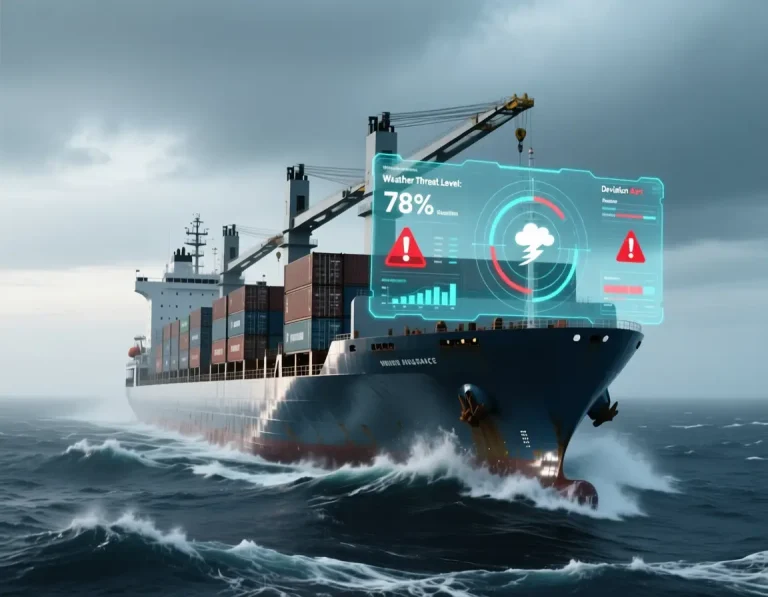
In today’s intricate web of international trade, shipping goods across oceans involves a labyrinth of logistics, jurisdictions, and risk exposures. Among the most critical vulnerabilities is cargo damage, which can lead to substantial financial loss, contractual disputes, and business disruption.
To address this, Cargo Damage Insurance serves as a crucial safeguard, offering financial protection against damage to goods in transit.
Fundamentals of Cargo Damage Insurance
What Is Cargo Damage Insurance?
Cargo Damage Insurance is a form of marine insurance that compensates cargo owners or stakeholders when goods are physically damaged during shipment. While traditionally associated with maritime transport, this coverage often extends to multimodal freight journeys involving air, land, or inland waterways.
Coverage typically applies to:
- Physical impact during loading and unloading
- Water intrusion from weather or leaks
- Breakage or crushing due to improper stowage
- Temperature damage, especially for perishables
This insurance is vital not only for financial security but also to meet contractual and legal obligations under various international shipping frameworks.
Types of Cargo Insurance and Their Roles
Choosing the appropriate type of cargo insurance is critical to managing risk. Below is a comparative overview of the main types used in maritime logistics:
|
Type of Insurance |
Coverage Scope |
Common Usage |
|
All-Risk Insurance |
Broad coverage except for listed exclusions |
Electronics, pharmaceuticals |
|
Named Perils Insurance |
Only risks specifically named in the policy |
General consumer goods |
|
Free of Particular Average (FPA) |
Only major losses unless certain thresholds are met |
Bulk cargo, commodities |
Each policy includes clauses, deductibles, and exclusions. Stakeholders must align their insurance type with the shipment’s value, fragility, and risk exposure.
Why It Matters: The Business Case for Coverage
According to a recent Allianz Global Corporate report, cargo damage is responsible for over 30% of marine insurance claims worldwide. In addition to financial loss, damaged cargo can trigger legal actions or violate Incoterms agreements. The implications include:
- Breach of contract penalties
- Delays in production or sales
- Loss of customer trust
- Unrecoverable costs for uninsured cargo
For exporters, importers, and freight forwarders alike, cargo damage insurance is not a luxury—it’s a necessity.
Practical Implementation and Global Standards
International Guidelines and Legal Frameworks
Cargo damage insurance operates within a well-defined legal and regulatory environment. Compliance with these standards is essential for enforceability and claim recovery.
Some key frameworks include:
- Hague-Visby Rules: Defines the shipowner’s responsibilities in the event of loss or damage.
- Incoterms 2020: Clarifies whether the buyer or seller is responsible for insurance based on trade terms like FOB, CIF, or DDP.
- Institute Cargo Clauses (A, B, C): Widely adopted clauses that determine the scope of coverage in marine cargo policies.
For example, under CIF (Cost, Insurance, and Freight), the seller must procure cargo insurance—usually of minimum coverage. Buyers often negotiate for an upgrade to All-Risk to ensure broader protection.
Cargo Loss Due to Mechanical Failure
In 2022, a Danish machinery exporter shipped precision instruments to India. During ocean transit, the securing straps failed due to improper lashing, and the cargo shifted violently during a storm, resulting in severe internal damage.
- The exporter had All-Risk Cargo Damage Insurance.
- Damage was assessed at $850,000.
- The insurer covered 90% of the loss after third-party surveyor validation.
The claim was processed within 60 days, thanks to timely reporting, photographic evidence, and compliance with Incoterms. This case demonstrates how tailored cargo insurance, coupled with proper documentation, reduces recovery time and ensures business continuity.
Best Practices to Prevent Cargo Damage
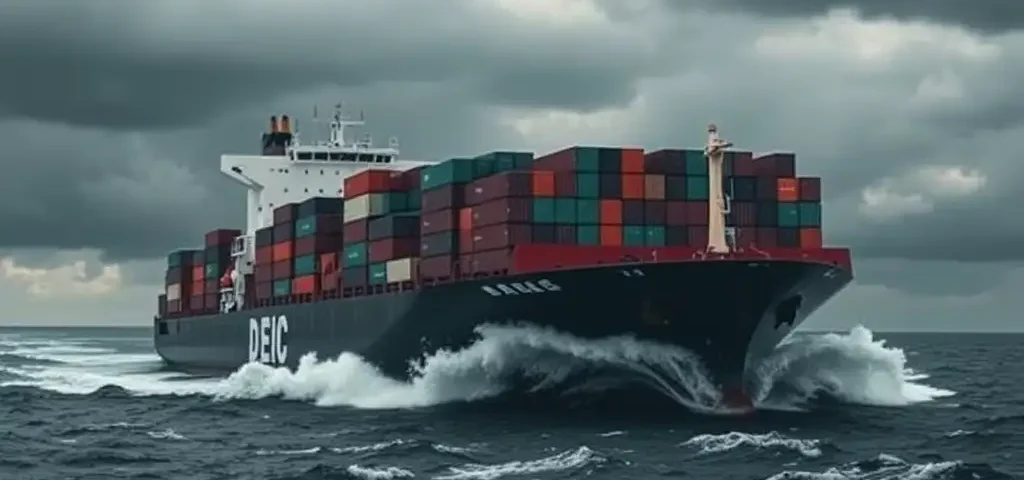
While insurance mitigates the financial aftermath, reducing the likelihood of damage is equally important. Preventive measures can lower premiums and avoid operational disruption.
Key mitigation strategies:
- Perform pre-shipment inspections and container checks.
- Use proper dunnage, bracing, and moisture barriers.
- Train staff on best practices for packing and stowage.
Recommended actions:
- Select containers suited to cargo type (reefer, dry, open-top).
- Avoid overloading or uneven weight distribution.
- Monitor weather conditions and routing in real time.
Critical Documentation for Claim Submission
When damage occurs, prompt and accurate reporting is essential. A complete claim file typically includes:
- Bill of Lading and commercial invoice
- Insurance certificate and policy wording
- Photographic proof of damage at delivery
- Independent surveyor report
- Written notice within policy time limits
Incomplete or delayed documentation is one of the top reasons for claim denial. Building a standardized internal checklist can help your team act swiftly when cargo arrives damaged.
A Strategic Necessity for Maritime Trade
In the volatile world of global commerce, Cargo Damage Insurance serves as a financial buffer and compliance tool for anyone moving goods across borders. It offers targeted protection against physical losses while reinforcing contractual certainty.
From multimillion-dollar industrial equipment to temperature-sensitive goods, stakeholders must match their insurance strategy with shipment risks. Understanding the different types of cargo insurance, staying compliant with global standards, and preparing for effective claim management can dramatically reduce exposure.
For businesses involved in international shipping, cargo damage insurance isn’t just a policy—it’s a pillar of operational resilience. To get expert insights and tailor-made risk solutions, consult the professionals at arctic pandi, a trusted source in the maritime insurance industry.