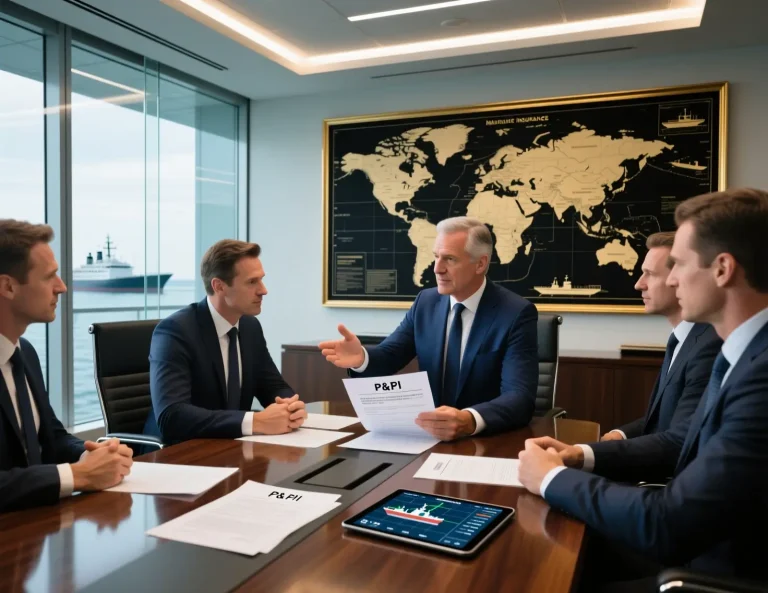
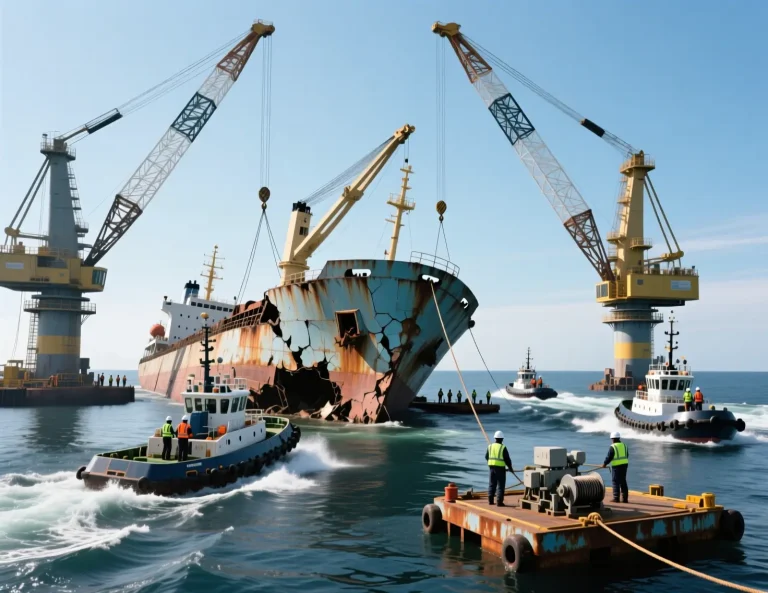
Managing risks at sea requires a clear understanding of Major claims and loss prevention, as these incidents directly influence operational continuity, costs, and insurance exposure. By identifying the main sources of major losses, shipowners can take more effective preventive action.
Understanding Major Claims in Marine Insurance
This section introduces how major claims arise and why they require careful financial and operational attention.
Definition and Importance of Major Claims
A major claim is any high-value incident that causes significant vessel, cargo, environmental, or crew-related damage. These incidents often exceed normal repair costs and trigger formal responses from P&I Clubs and hull insurers. Their importance lies in their ability to disrupt operations for months and influence long-term insurance premiums.
Common Sources of High-Value Claims
Although maritime risks are broad, several incident types are consistently responsible for large financial losses.
Common sources include navigation mistakes, engine failures, onboard fires, and cargo contamination. These events usually result from a combination of technical faults and operational shortcomings rather than one single cause.
How P&I Clubs and Hull Insurers Classify Major Claims
The table below illustrates how different insurers evaluate claim severity:
| Insurance Provider | Main Focus | Typical Major Claim Examples |
|---|---|---|
| P&I Clubs | Liability, environment, crew | Pollution events, injury/fatality, wreck removal |
| Hull & Machinery | Vessel structure and engines | Collision, grounding, engine breakdown |
| Cargo Insurers | Cargo integrity | Spoilage, contamination, temperature deviation |
Understanding this division helps shipowners know which insurer manages which type of high-impact loss.
Impact of Major Claims on Shipowners and the Industry
Major claims affect both individual fleets and the broader shipping market. Higher deductibles, increased compliance inspections, and stricter port regulations all follow after repeated high-value claims. On a global scale, increased claim severity can influence freight rates and insurance pricing, making Major claims and loss prevention essential for long-term competitiveness.
Categories of Major Claims in Marine Insurance
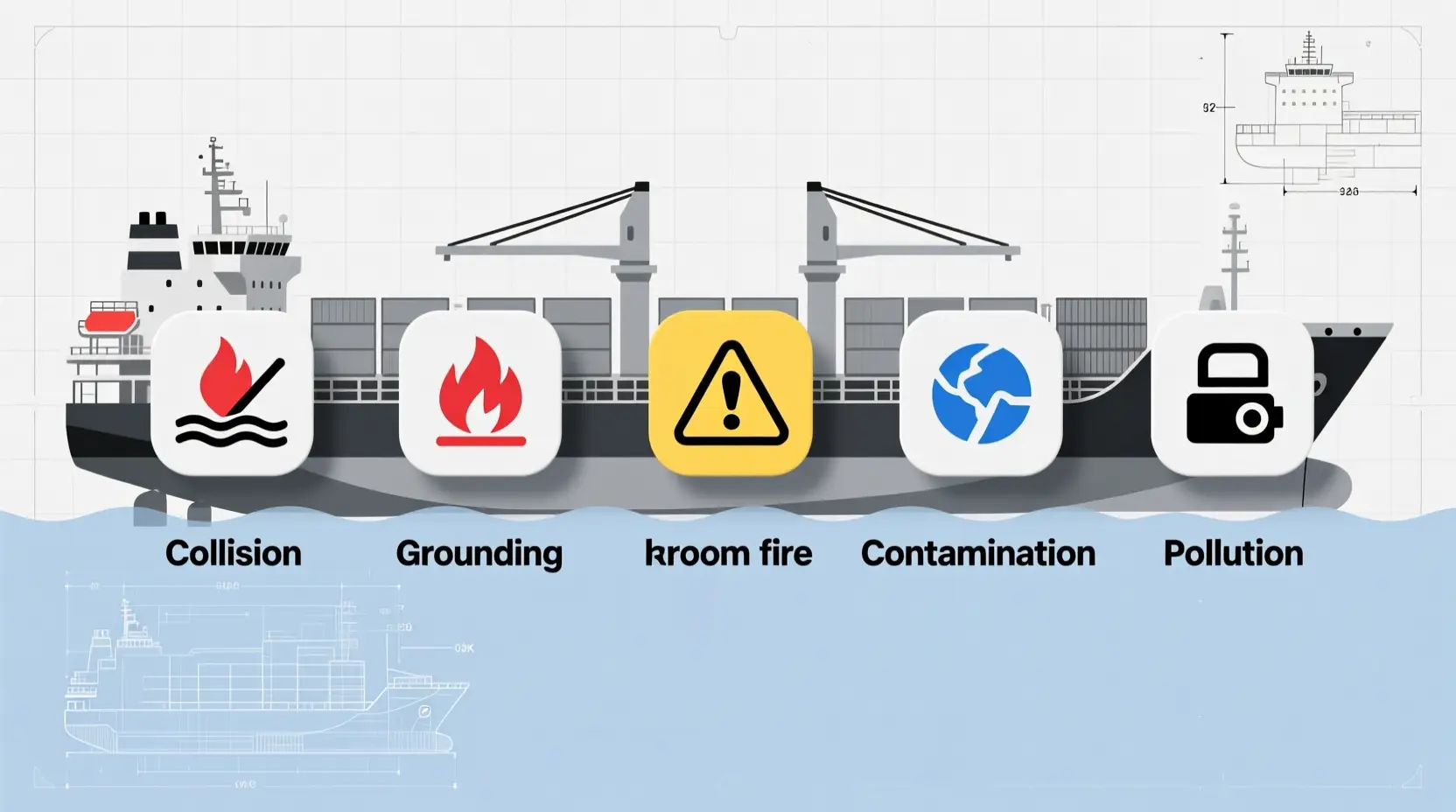
This section outlines the main categories of major maritime losses and explains how each type contributes to financial exposure.
Collision and Contact Damage
Collisions involve vessel-to-vessel impact, while contact damage occurs when a ship strikes fixed objects such as jetties or buoys. These incidents typically lead to hull deformation, expensive repairs, and sometimes navigation-related liabilities.
Grounding and Stranding
Grounding happens when a vessel runs aground in shallow waters or narrow channels. Consequences may include hull breaches, cargo displacement, or the need for highly specialized salvage operations. These claims often represent some of the highest payouts due to complexity and risk.
Fire and Explosion Onboard
Onboard fires—especially in engine rooms—can escalate rapidly and endanger both crew and vessel. Electrical faults, fuel leaks, and unexpected cargo reactions are common triggers. Because fires can destroy entire sections of a ship, they significantly shape discussions around Major claims and loss prevention.
Machinery Breakdown
Mechanical failures such as main engine issues or cooling system malfunctions can immobilize a vessel. Towage, delay penalties, and repair costs quickly escalate, making machinery breakdown a frequent generator of high-value hull claims.
Cargo Damage and Contamination
Cargo losses occur due to improper stowage, contamination, temperature errors, or handling mistakes. For tanker vessels, even minor residue contamination can lead to major financial disputes.
Pollution and Environmental Liability
Oil spills, bunker leaks, and chemical discharges involve extensive cleanup operations and regulatory fines. These claims are among the most expensive handled by P&I Clubs.
Crew Injury and Fatality
Crew-related major claims arise from unsafe working conditions or inadequate emergency responses. Beyond financial compensation, these incidents affect a company’s safety rating and operational reputation.
Root Causes Behind Major Maritime Claims
Understanding the underlying causes is essential for improving Major claims and loss prevention strategies.
Human Error and Operational Mistakes
Human error remains the largest contributor to maritime losses. Miscommunication, fatigue, and inadequate situational awareness often lead to navigation mistakes or incorrect operational decisions. Even small procedural deviations can escalate into costly incidents.
Navigation Failures
Insufficient chart updates, poor lookout practices, and overreliance on electronic systems contribute to navigation failures. These issues are especially common in congested waterways or during poor visibility.
Technical Failures and Inadequate Maintenance
Mechanical issues frequently stem from delayed maintenance, worn components, or outdated spare parts. When essential machinery is not serviced correctly, the risk of high-value breakdowns sharply increases.
Weather and High-Risk Routes
Severe weather conditions can cause structural stress, cargo loss, or grounding. Ships operating in monsoon regions, polar waters, or storm-prone routes must adjust speed, draft, and course planning to reduce exposure.
Loss Prevention Strategies in Marine Insurance
Loss prevention is the proactive side of managing maritime risks. Effective strategies reduce the frequency and severity of incidents, making Major claims and loss prevention a central operational priority for modern fleets.
Safety Management Systems and Compliance Frameworks
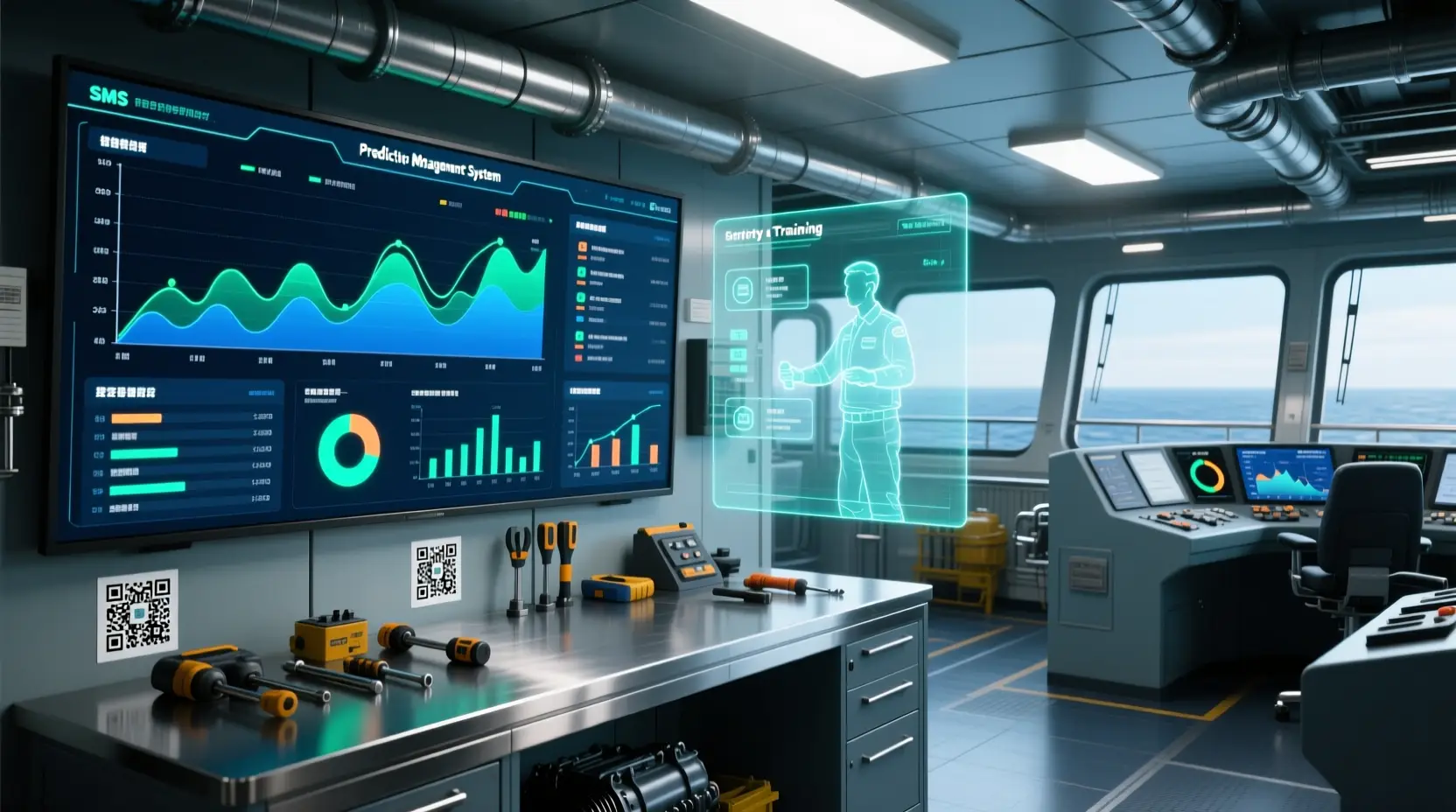
A strong Safety Management System (SMS) ensures that operational procedures, crew responsibilities, and emergency responses are standardized. Compliance with SOLAS, MARPOL, and ISM Code also ensures vessel readiness, reducing the probability of high-value claims.
Regular Maintenance and Machinery Health Monitoring
Preventive maintenance programs help identify early signs of equipment failure. Many shipowners now use vibration analysis, thermal imaging, and oil diagnostic tools to detect mechanical issues before they escalate. These practices directly lower the risk of machinery-related major claims.
Crew Training and Competence Development
Skilled and well-trained crew members are better equipped to prevent accidents. Regular drills, simulator sessions, and updated training materials build strong situational awareness. This is one of the most effective measures in Major claims and loss prevention, especially for navigation and engine room operations.
Use of Technology and Digital Monitoring Systems
Modern vessels rely on digital tools such as:
-
Real-time engine performance dashboards
-
Advanced weather-routing systems
-
Fuel monitoring sensors
These technologies allow operators to react faster and make informed decisions, reducing operational risk exposure.
Role of P&I Clubs in Managing Major Claims
This section explains how P&I Clubs not only handle claims but also support loss prevention efforts across the industry.
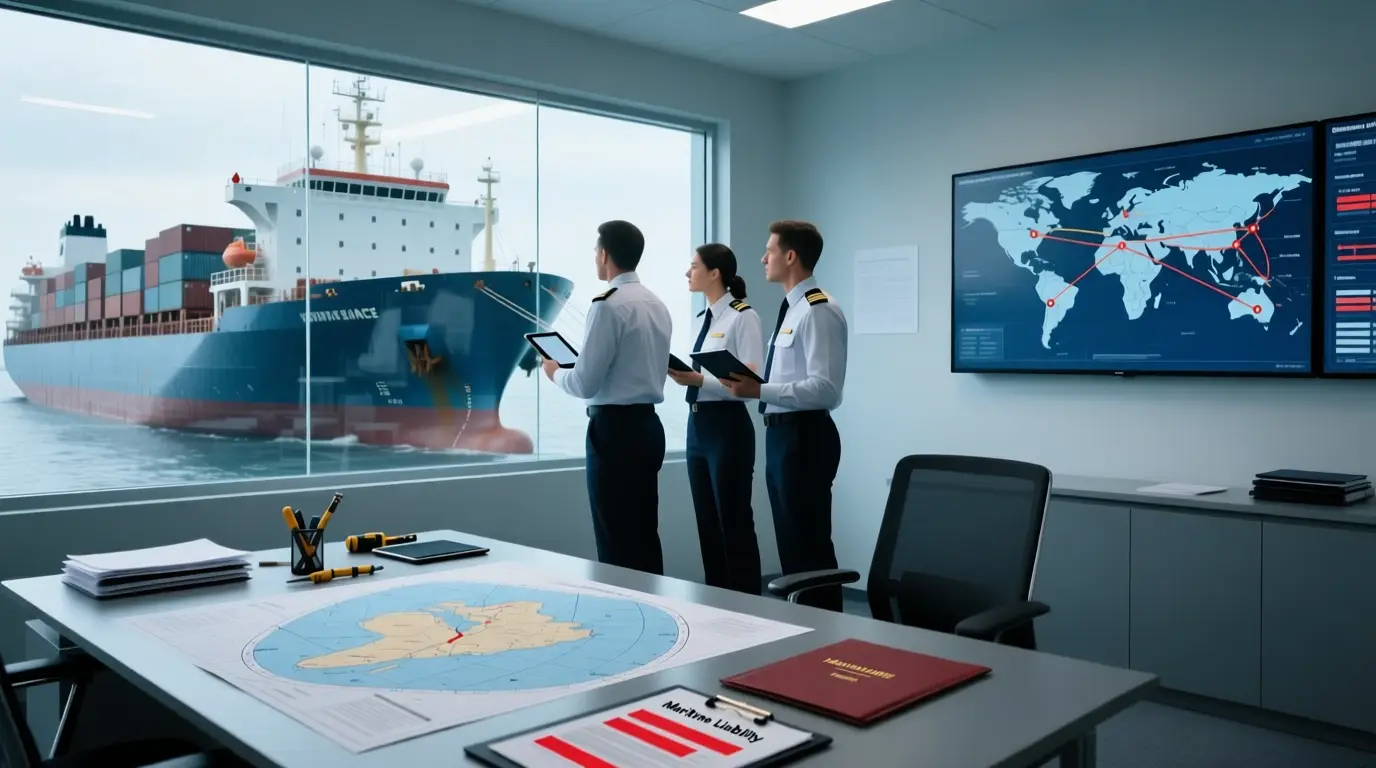
Claims Handling Process
P&I Clubs coordinate investigations and gather documentation after an incident. They work directly with surveyors, legal teams, and authorities. This structured process ensures rapid response and helps minimize additional losses.
Loss Prevention Programs and Member Services
Most Clubs provide extensive guidance materials, onboard safety posters, and case-study bulletins. These tools help members understand how major incidents occur and how to prevent them. This educational role strengthens long-term Major claims and loss prevention outcomes.
Support During Emergency Response and Investigations
P&I Clubs assist in crisis situations, including pollution containment, crew medical evacuations, and legal communications. Their global network ensures that shipowners receive immediate support in unfamiliar ports or international waters.
Dispute Resolution and Legal Assistance
When claims escalate into legal disputes, Clubs provide arbitration support and specialist maritime lawyers. This reduces the administrative burden on shipowners and ensures clear documentation during negotiations.
Financial Impact of Major Maritime Claims
Major maritime losses affect not only shipowners but also charterers, cargo interests, and insurers. Understanding the financial landscape highlights the importance of prevention.
Insurance Premium Increases
Repeated major claims typically lead to higher premiums or deductibles. Insurers adjust pricing based on risk exposure, vessel condition, and historical incident patterns. This makes Major claims and loss prevention financially strategic.
Direct and Indirect Costs of Major Incidents
Direct costs include repairs, towage, and cargo compensation. Indirect costs are often more severe and include:
-
Loss of hire
-
Port delays
-
Regulatory penalties
-
Reputational damage
Indirect costs accumulate over time and can surpass the initial financial loss.
Long-Term Financial Consequences for Shipowners
High claim frequencies may reduce access to favorable charter contracts. Additionally, shipowners may face stricter compliance audits, increasing operational expenses over several years.
Environmental and Regulatory Impact on Major Claims
Environmental and compliance obligations influence both the frequency and severity of maritime claims. This section explains how regulations shape vessel operations and support Major claims and loss prevention.
International Regulations and Standards
Key frameworks such as MARPOL, SOLAS, and the ISM Code define the minimum safety and pollution-prevention requirements for global shipping. Compliance is not optional; failure to follow these rules significantly increases both liability and operational risk.
Environmental Protection Requirements
Strict emission and pollution controls have increased cost pressures but reduced environmental incidents. Shipowners must manage ballast-water treatment, fuel switching, waste disposal, and spill-prevention systems to avoid high-value penalties.
Compliance Audits and Port-State Control Inspections
Regular inspections by port authorities evaluate the vessel’s condition, crew competence, and safety documentation. Poor inspection performance can lead to detentions, fines, or mandatory repairs—each of which contributes to major claim exposure if not managed carefully.
Sustainability and Risk Reduction
Sustainability efforts such as cleaner fuels, modern engines, and eco-friendly operational practices help reduce long-term claim probability. In addition to compliance advantages, these actions improve the vessel’s risk profile and operational resilience.
Future Trends in Loss Prevention
Technological advancements and global regulatory pressure are reshaping how shipowners approach Major claims and loss prevention. The trends below reflect how maritime risk management is evolving.
Predictive Analytics and Data-Driven Risk Management
Shipowners increasingly use AI-driven analytics to predict machinery failures, identify unsafe navigation patterns, and assess crew performance metrics. Predictive models allow operators to address risk before it materializes.
Automation and Autonomous Vessel Technologies
Semi-autonomous systems improve navigation precision and reduce human error. Automated engine monitoring, collision-avoidance tools, and digital checklists are becoming standard features on modern vessels.
Green Technologies and Their Impact on Risk
Use of LNG, hybrid propulsion systems, and low-sulfur fuels reduces environmental risk but introduces new technical challenges. Understanding these risks is essential to maintaining strong loss-prevention practices during the transition to cleaner shipping.
Stricter Global Regulations and Compliance Requirements
Regulatory bodies continue to strengthen environmental and labor standards. Future compliance will require more advanced monitoring systems and more rigorous documentation, influencing all aspects of operational planning.
Conclusion
Below is a concise summary of the key insights discussed throughout the article:
-
Major maritime losses originate from a combination of operational, technical, and environmental risks.
-
Strong safety management and crew training form the foundation of Major claims and loss prevention.
-
P&I Clubs and insurers play a vital role in supporting shipowners before, during, and after major incidents.
-
Technological and regulatory changes will redefine future risk management practices.
-
Consistent audits, better communication, and advanced monitoring tools significantly reduce claim severity.
In today’s challenging maritime environment, effective Major claims and loss prevention is more than an insurance requirement—it is a strategic necessity. Shipowners who invest in training, technology, and proactive risk management reduce costs and improve fleet reliability.
By applying the principles and practices outlined in this article, operators can strengthen their safety culture, minimize operational disruptions, and maintain a competitive position in the global shipping market.