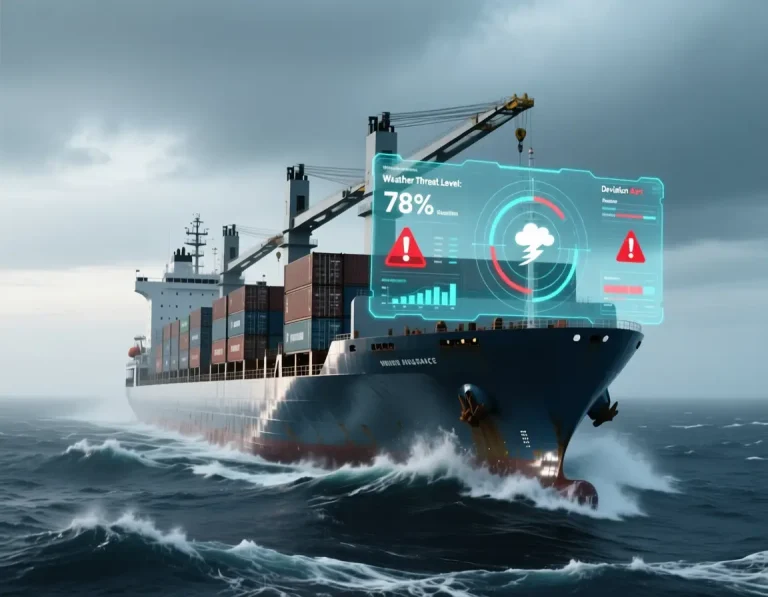
As global maritime traffic grows, the importance of maritime safety has never been more pressing. From preventing vessel collisions to mitigating environmental damage, the field of maritime safety covers a wide array of practices, technologies, and international standards. This article by Arctic Pandi serves as a comprehensive guide for maritime professionals, outlining the common hazards at sea, regulatory frameworks, and emerging safety strategies essential for seafaring security in the 21st century.
Introduction to Maritime Safety
These safety measures not only make vessels safer but also bring significant benefits to various maritime stakeholders.
What Is Maritime Safety and Why It Matters
Maritime safety refers to the full spectrum of actions, regulations, and technologies that ensure the safe navigation of ships, protect human lives, secure cargo, and preserve the marine environment. Whether preventing accidents, managing emergencies, or complying with legal standards, maritime safety is foundational to modern shipping. The implications are not limited to sea-based personnel alone; ports, coastal communities, and global supply chains are also directly affected by the robustness of maritime safety systems.
Who Benefits from Enhanced Sea-Going Safety
The positive impact of effective maritime safety is far-reaching:
- Ship operators gain operational continuity with reduced downtime and liabilities.
- Crew members benefit from a secure working environment.
- Port authorities maintain efficient, incident-free harbors.
- Insurers can underwrite more predictable risks.
- Coastal communities are safeguarded from oil spills, collisions, and other sea-based accidents.
The cumulative result is a more resilient maritime industry, capable of responding to both predictable and emerging threats.
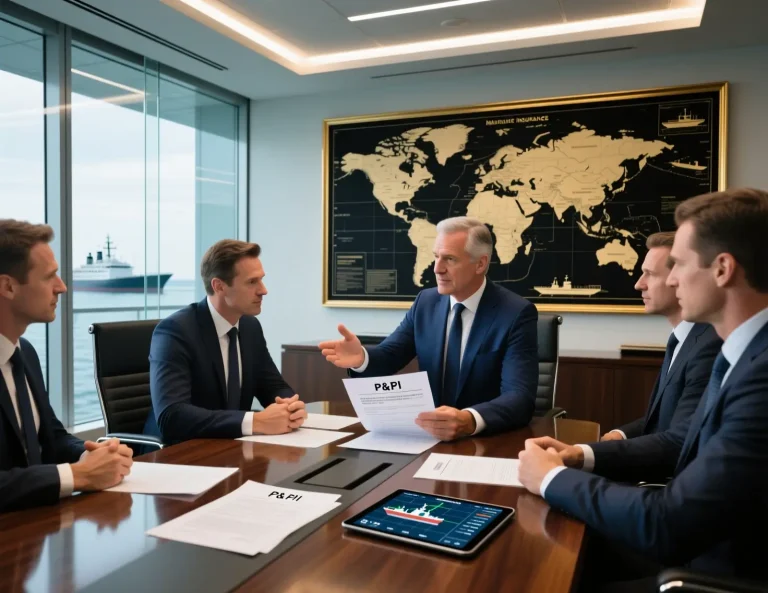
This is particularly relevant when understanding the role of Protection and Indemnity (P&I) insurance, which provides coverage for a wide range of maritime liabilities. Learn more in our guide: What is P&I
Common Hazards at Sea
Despite advancements in ship design and navigational tools, hazards at sea remain a constant challenge. These can be categorized into natural phenomena and technical or human-related risks.
Natural Hazards
Mariners regularly face adverse environmental conditions that can jeopardize both life and cargo.
- Severe weather events: These include tropical storms, hurricanes, rogue waves, and typhoons, all capable of damaging vessels and overwhelming onboard systems.
- Reduced visibility: Fog, torrential rain, and nighttime navigation contribute to accidents, particularly in busy shipping lanes.
- Ocean currents and tidal surges: Unpredictable water movements can divert a vessel from its planned route, increasing the risk of grounding or collision.
Technical and Human-Factor Hazards
In addition to natural elements, many maritime incidents arise from machinery failure or crew error.
- Mechanical failures: Issues such as engine malfunctions or problems with steering gear can quickly escalate into critical situations.
- Navigation errors: These may result from outdated charts, lack of situational awareness, or misinterpretation of sensor data—often leading to collisions or groundings.
- Human error and fatigue: Crew miscommunication, decision fatigue, and lapses in judgment are among the leading contributors to maritime accidents.
Regulatory Framework and Key Conventions
Effective governance is essential to uphold safety standards across international waters. The International Maritime Organization (IMO) serves as the central body for developing and maintaining a unified set of regulations.
Role of the International Maritime Organization (IMO)
Founded in 1948, the IMO establishes global protocols to ensure secure, efficient, and environmentally sound shipping. It plays a critical role in shaping policy, enforcing compliance, and guiding technological innovation in maritime safety.
Comparative Table of Major Conventions
Overview of SOLAS, MARPOL & STCW
Convention | Coverage Area | Adoption Year | Primary Objective |
SOLAS | Safety of life at sea | 1974 | Prevent ship losses and protect crew/passengers |
MARPOL | Prevention of marine pollution | 1973 / 1978 | Minimize oil, chemical, garbage, and air pollution |
STCW | Training, certification, watchkeeping standards | 1978 / 1995 | Ensure crew competence through standardized education |
These conventions form the legal and operational backbone of modern maritime safety practices. They are mandatory for signatory nations and serve as the benchmark for audits, inspections, and training protocols worldwide.
Best Practices for Maritime Safety Management
Theoretical knowledge and regulatory compliance alone are insufficient without implementation. Below are two primary ways the maritime industry puts safety into practice.
Cultivating a Safety-First Culture
Organizations that prioritize a safety-first culture often see measurable reductions in incident rates. This culture begins at the leadership level and permeates down to daily operations.
- Leadership commitment: Shipmasters and company directors must consistently reinforce HSEQ values (Health, Safety, Environment, Quality).
- Transparent policies and reporting systems: Establishing open communication for incident reporting, including near-miss logs and corrective actions.
- Routine training and engagement: Regular safety drills, toolbox talks, and feedback loops strengthen organizational safety maturity.
Technological Solutions for Risk Reduction
Technological innovation plays a vital role in hazard prevention and decision-making accuracy at sea. Key systems include:
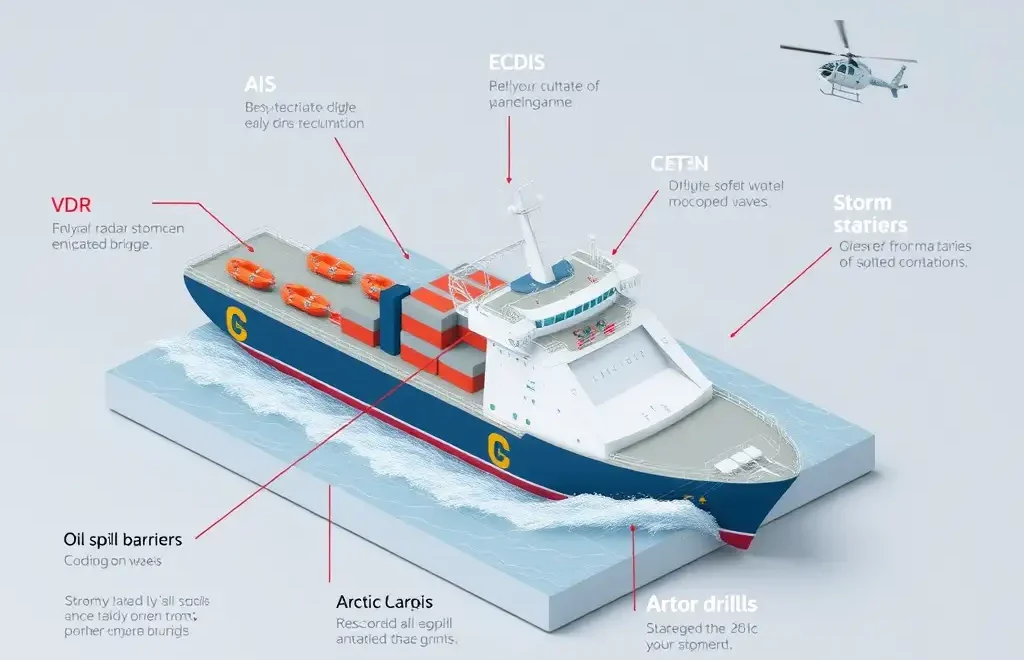
- Automatic Identification System (AIS): Enhances situational awareness by broadcasting vessel identity, speed, and direction to nearby ships.
- Electronic Chart Display and Information System (ECDIS): Provides real-time navigation data and route optimization.
- Voyage Data Recorders (VDRs): Facilitate post-incident investigation and help improve operational procedures.
Emergency Response and Crisis Management
To ensure these plans are effective in real situations, consistent training and realistic simulations are essential.
Contingency Planning and Procedures
A well-structured Shipboard Safety Management System (SMS) includes clear emergency plans for fire, flooding, collisions, and abandon-ship scenarios. These procedures are vital for SOLAS compliance and enable quick, coordinated responses when emergencies strike. Every crew member should know their exact role and responsibilities during a crisis.
Training, Drills, and Simulations
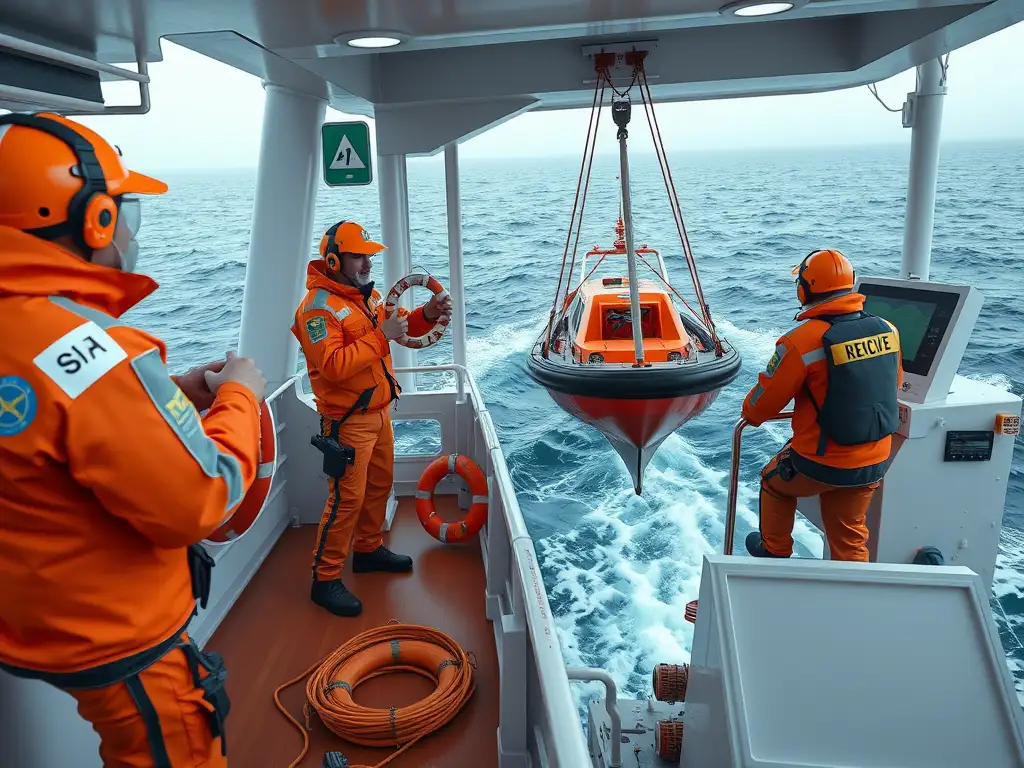
Regular drills—such as man overboard, firefighting, and evacuation—keep the crew alert and prepared. Advanced training using bridge simulators recreates real-world emergency scenarios, helping mariners make decisions under pressure. This boosts both compliance and
crew confidence.
Future Trends and Cluster Topics
The maritime sector is shifting rapidly due to digitalization, environmental policies, and new risk models. Below are emerging topics to watch, each covered more fully in our upcoming cluster articles.
Maritime Cybersecurity
Modern ships rely on digital systems that are vulnerable to hacking, including bridge controls, GPS, and engine software. Robust cybersecurity plans must now include encryption, access control, and real-time threat monitoring—ensuring systems are protected from malicious interference.
Environmental Protection at Sea
New IMO rules target emissions, fuel quality, and scrubber discharge. Vessels are also adapting ballast water treatment to protect marine ecosystems. Compliance not only avoids penalties but aligns with broader global sustainability goals.
Marine Insurance and Risk Analysis
Insurance is evolving through data-driven models. Real-time tracking allows more accurate risk assessment. Parametric insurance, which pays out based on predefined conditions (e.g., wave height), offers faster, fairer coverage in crisis situations.
Conclusion and Next Steps
Maritime safety continues to evolve—blending regulation, technology, and a proactive safety culture to protect life and assets at sea.
To strengthen safety outcomes, maritime professionals should:
- Engage in continuous training and policy updates
- Invest in next-gen safety tech and cybersecurity systems
- Explore our in-depth cluster guides for further expertise
Share this guide with your vessel’s safety committee and subscribe to Arctic Pandi for future updates on all safety-related clusters.